

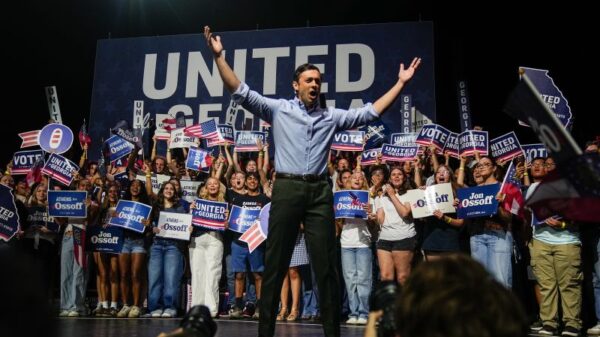
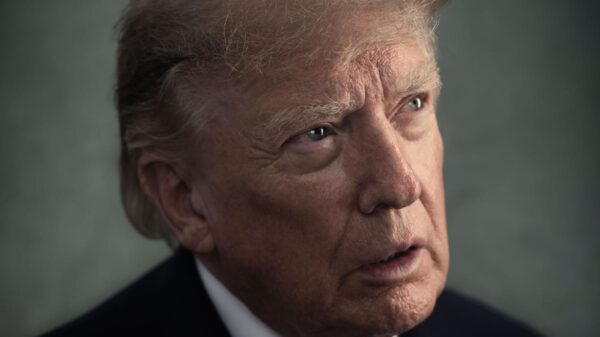


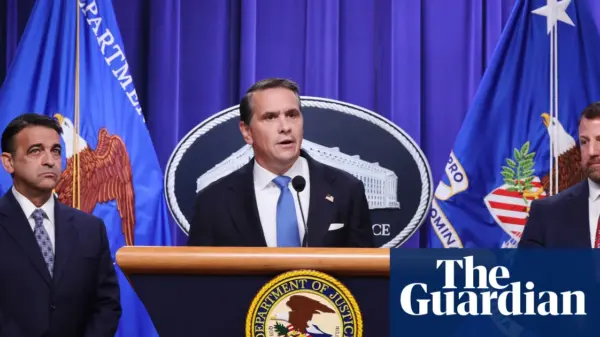









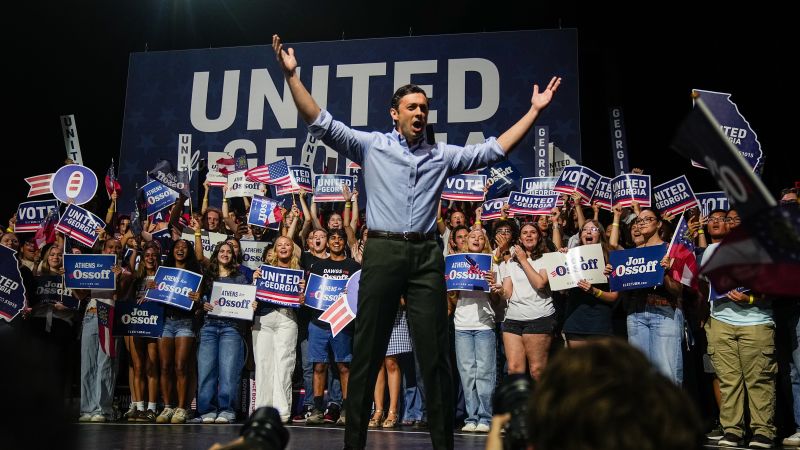
The Republican Party is facing a volatile autumn as Donald Trump’s dipping popularity coincides with a strategic shift in how Democrats are recruiting candidates. For years, the Democratic party struggled to communicate effectively with rural and working class voters, often finding themselves locked out of red states. However, a new wave of hopefuls is attempting to bridge that gap by blending traditional liberalism with pragmatic populism and cultural relatability, turning once safe Republican seats into genuine battlegrounds.
In states like North Carolina and Iowa, this strategy is already showing promise. Former Governor Roy Cooper has proven capable of denting GOP margins in rural areas through his broad appeal among independents, while Josh Turek is carving out a niche as a common sense prairie populist in an Iowa landscape that previously favored Trump by double digits. Similarly, James Talarico in Texas is experimenting with a mix of Christian faith and economic populism to challenge a thirty year streak of Republican statewide dominance, suggesting that the party is finally learning how to speak the local language of the heartland.
This resurgence is further aided by a series of stumble-prone Republican picks. From scandal plagued figures like Ken Paxton in Texas to MAGA loyalists who struggle with general election appeal, some GOP candidates are proving to be liabilities. Even seasoned incumbents are feeling the pressure; Senator Susan Collins of Maine finds herself fighting one of the toughest battles of her career as she struggles to maintain her image as an independent voice amidst the polarizing noise of the Trump era. While external factors like tariffs and inflation are hurting GOP candidates in farm states, the internal friction between establishment Republicans and Trump’s preferred picks continues to create openings for Democratic challengers.
Despite these gains, the path forward remains precarious. High stakes races in places like Michigan highlight the tension within the Democratic coalition, where progressives risk alienating moderates in pursuit of generational change. Polling remains fluid and deceptive, reminding observers that early leads can vanish quickly before Election Day arrives. Ultimately, however, Democrats believe they hold the advantage because midterms typically serve as a referendum on the sitting president. With high living costs and global instability weighing on voters, those unconventional candidates who can successfully distance themselves from partisan tropes may just deliver the Senate majority their party craves.