
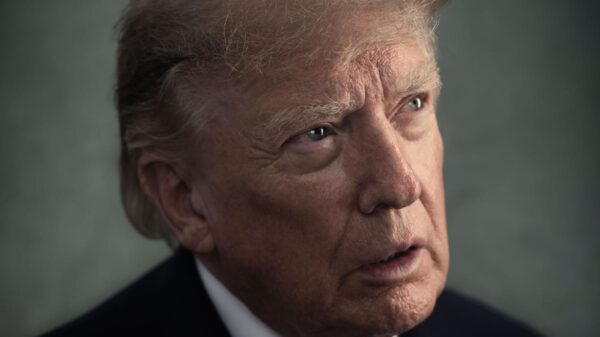







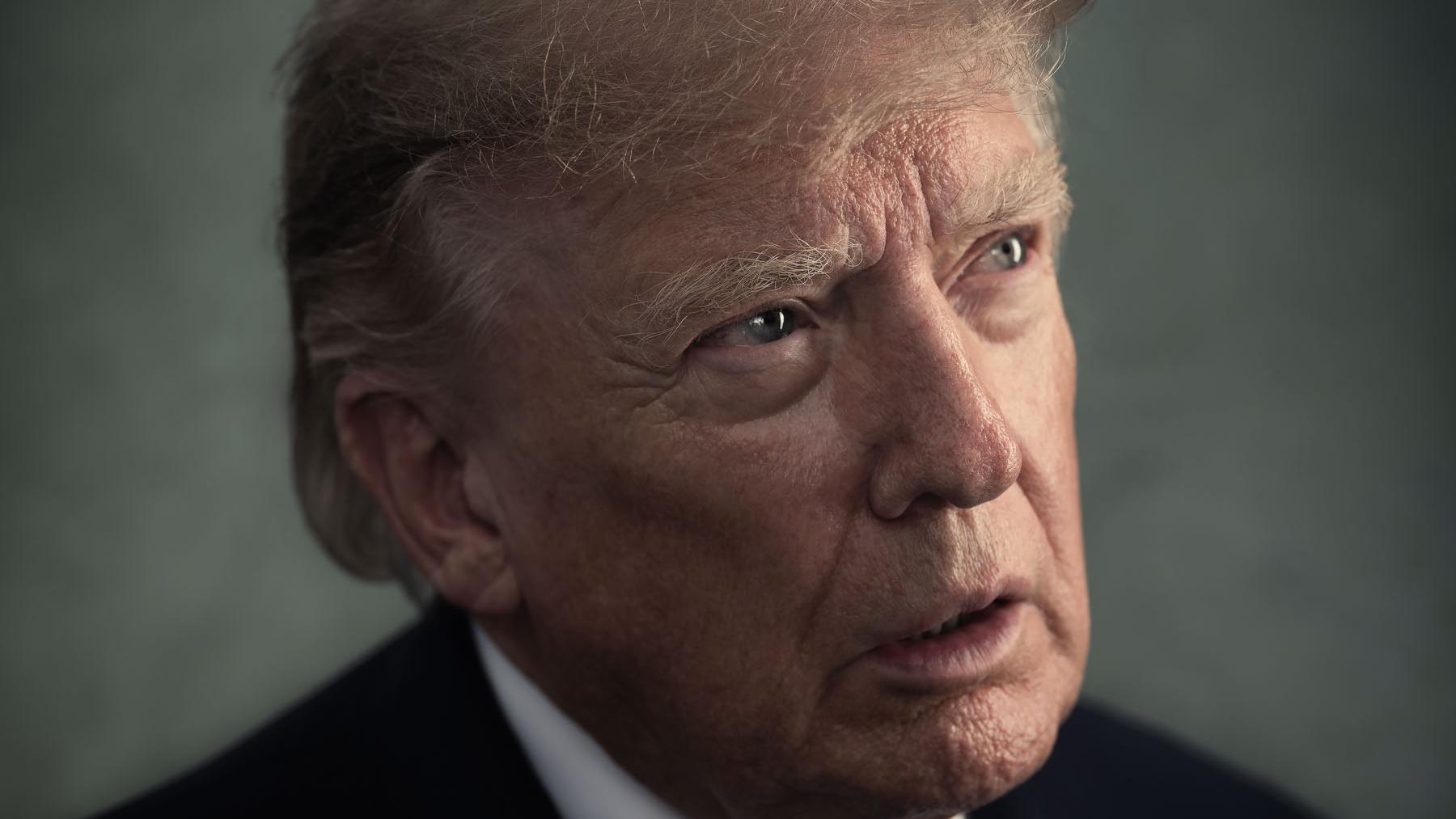
In a recent sit down at the White House, President Donald Trump offered a sweeping perspective on the future of American technology and his enduring friction with the media. During an interview with TIME senior political correspondent Eric Cortellessa and editor in chief Sam Jacobs, the president focused heavily on the rapid ascent of artificial intelligence, describing it as a transformative force potentially larger than the Industrial Revolution. Trump detailed a private dinner with AI leader Dario Amodei, noting that while their views on regulation differed from those often presented in the news, he remains committed to ensuring the U.S. maintains its global lead in the sector.
The conversation shifted toward the potential risks and rewards of AI, with Trump acknowledging both the immense medical possibilities and the inherent dangers of such power. While expressing caution about government overreach through regulation, which he suggested could stifle business, he emphasized that responsibility must remain with those developing the technology. This discussion served as a prelude to a broader gathering of tech leaders scheduled for the East Room, highlighting an administration effort to navigate a landscape where trillions of dollars are currently being invested in domestic innovation.
However, the dialogue took a sharper turn when reporters questioned whether the president truly respects a free press given current restrictions on certain journalists accessing the White House grounds. Trump pushed back firmly, drawing a sharp distinction between an honest press and what he termed fake news. He specifically targeted networks like CNN and MSNBC, claiming they are incapable of fair reporting regardless of his achievements. For Trump, these outlets represent a biased narrative rather than legitimate journalism, asserting that his electoral success serves as proof that the general public sees through such coverage.
The tension peaked during a debate over judicial orders regarding media access to official premises. Despite reminders from interviewers that judges had weighed in on renewing credentials for blocked reporters, Trump maintained that he was not ignoring legal directives but reacting to a constant stream of negative storytelling. The exchange underscored a familiar pattern of conflict between the executive branch and members of the press corps, leaving questions unanswered about how transparency will be handled moving forward into upcoming midterm elections.