



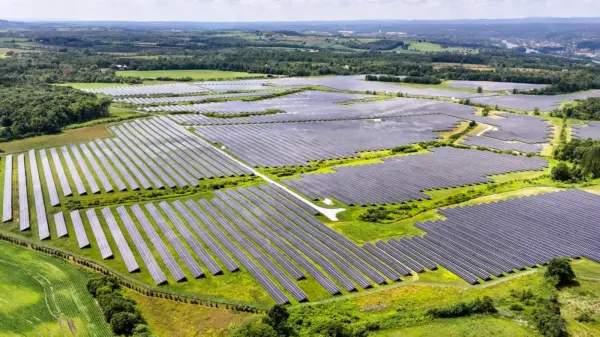











For decades, the fossil fuel industry has operated as an unrivaled juggernaut in campaign finance, leveraging its massive wealth to install friendly faces in high offices. However, a new competitor is entering the arena with deep pockets and a clear strategy. The renewable energy sector, once relatively quiet in the halls of political power, has begun spending aggressively to protect its interests, and early results suggest their investments are paying off.
The impact of this shift was felt acutely in the recent defeat of Representative Andy Ogles of Tennessee. Despite receiving an endorsement from Donald Trump, Ogles lost his primary after the Invest in Tomorrow Coalition PAC poured roughly two million dollars into the race. This move served as a direct response to Ogles’ efforts to dismantle the Inflation Reduction Act. He wasn’t the only target; similar campaigns successfully challenged figures like Chip Roy in Texas and Ralph Norman in South Carolina, both of whom had actively fought against climate-focused legislation.
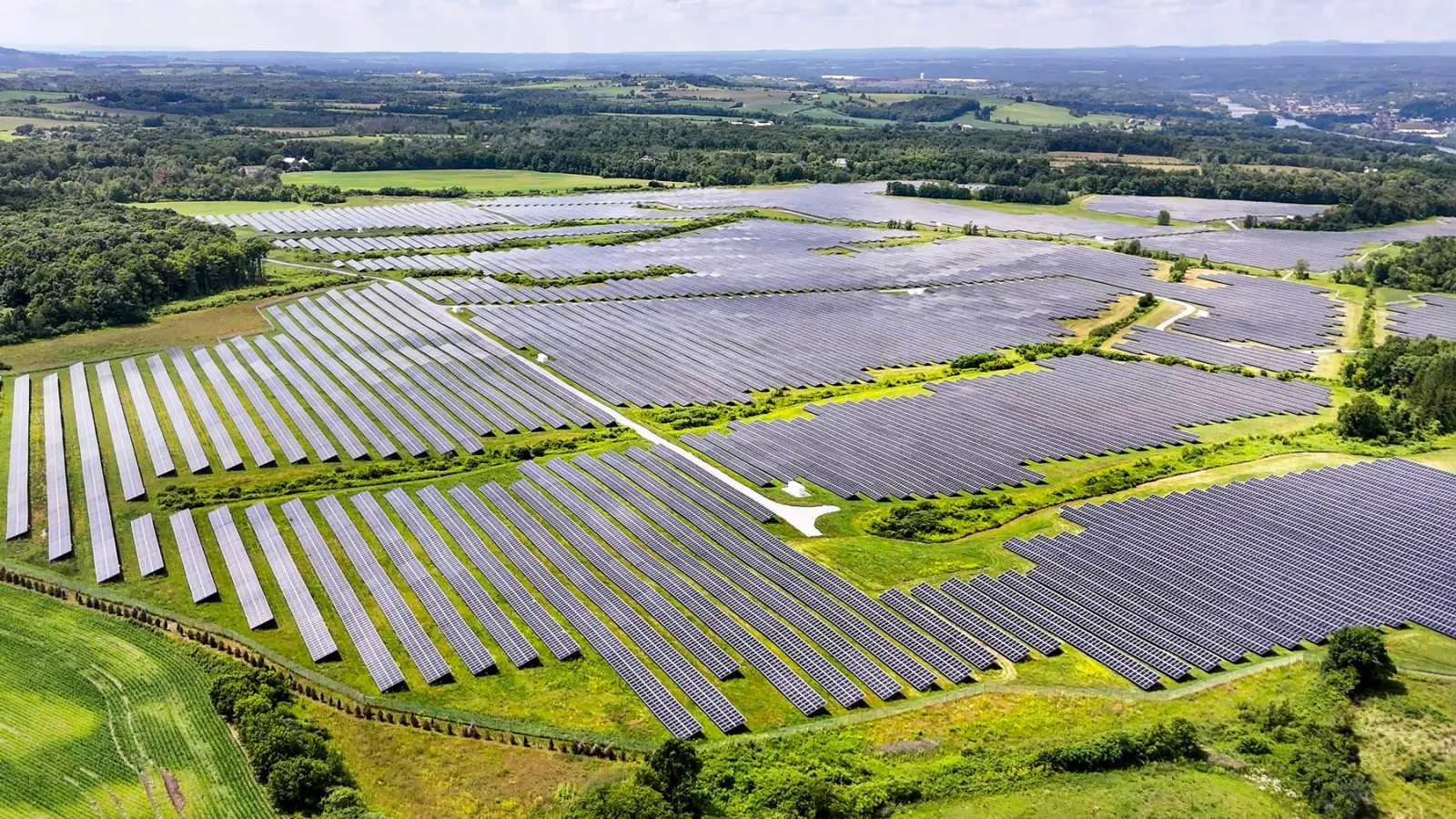
Experts argue that this sudden surge in political activity is a matter of survival fueled by the passage of the Inflation Reduction Act. By providing hundreds of billions of dollars in funding and creating countless manufacturing jobs, the act transformed renewables from a niche market into a massive industrial engine. As Leah Stokes, an associate professor at UC Santa Barbara, explains, when there are billions of dollars in tax credits at stake, the return on investment for political action becomes enormous. The prospect of a second Trump term acted as a final wake-up call for an industry that realized it could no longer afford to stay on the sidelines.
The numbers reflect this newfound aggression. Spending by the renewable energy sector has skyrocketed from about thirteen million dollars in 2020 to approximately sixty-four million dollars in 2024 alone. This movement extends beyond solar and wind providers to include electric vehicle and battery manufacturers who view themselves as part of a larger climate coalition. Together, they are sending a loud message to lawmakers across the spectrum: attacking green energy is no longer a safe political bet.
Ultimately, these expenditures function as both defensive shields for existing subsidies and offensive warnings to potential opponents. While previous administrations may have attempted to stifle growth through policy shifts or rhetoric, the burgeoning scale of the industry means it now possesses the financial muscle to fight back. For those looking toward future elections, cases like Andy Ogles serve as a cautionary tale that getting on the wrong side of clean energy can come with a very expensive price tag.