























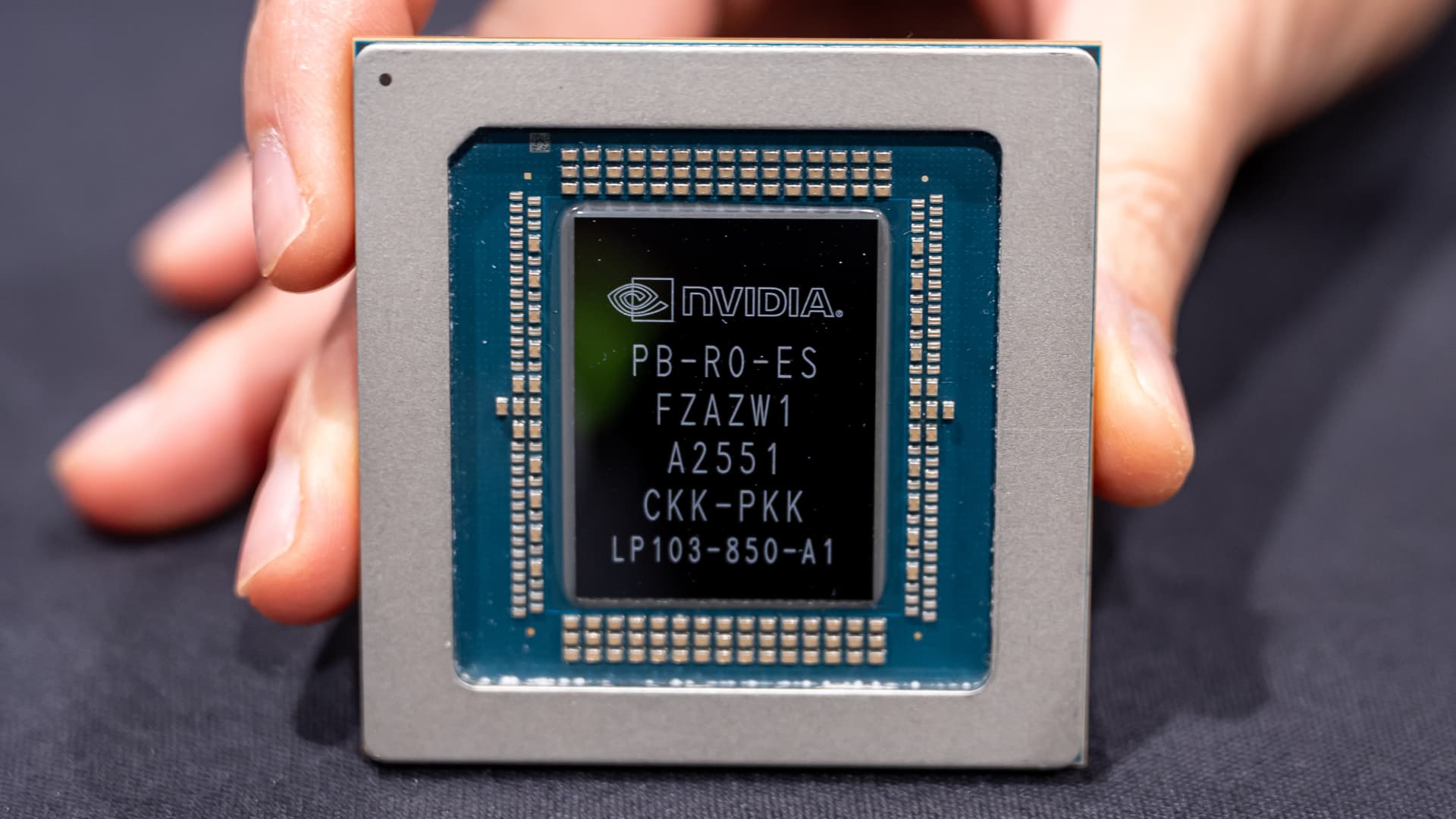
Nvidia has officially moved into full production of its Groq 3 LPX rack, signaling the first major commercial milestone since the company spent 20 billion dollars to acquire assets from the chip startup last December. This move represents the largest acquisition in Nvidia’s history and aims to solve one of the biggest hurdles in artificial intelligence today: latency. According to senior director Dion Harris, these specialized racks will be deployed at neocloud provider Nebius and expected to be online before the end of the year, working in tandem with Vera central processors and Rubin graphics processors.
The push toward integrating Groq technology focuses heavily on making AI agents feel more natural and responsive, particularly for complex tasks like real-time coding where long pauses can break a developer’s flow. By utilizing an architecture that places 500 megabytes of fast SRAM directly on the chip’s die, Nvidia hopes to eliminate common memory bottlenecks. These chips, manufactured by Samsung rather than TSMC, allow a single LPX rack containing 256 chips to hit speeds of roughly 3,400 tokens per second. For cloud providers, this speed translates directly into revenue, as they can now offer premium high-speed service tiers for clients who cannot afford any lag.
Despite the impressive speed, Nvidia is quick to clarify that these low-latency chips aren’t meant to kill off the traditional GPU. While GPUs remain the versatile workhorses capable of both training massive models and handling general inference, Groq chips specialize specifically in the decode phase of serving a model. Harris described the strategy as simply matching the right processor to the specific part of a workload rather than seeking a total replacement. It is essentially a diversification play designed to ensure every stage of an AI request is handled by the most efficient hardware possible.
This aggressive rollout comes amid stiff competition from other industry players like AMD and Cerebras, who are also racing to dominate the low-latency market. Even OpenAI has entered the fray with its Ultrafast mode powered by Cerebras hardware. However, Nvidia remains confident in its ecosystem approach. CEO Jensen Huang previously indicated that while his data centers will lean heavily on Vera Rubin systems, he intends to dedicate twenty five percent of space reserved for coding applications specifically to Groq chips as part of a broader goal to reach one trillion dollars in cumulative sales across several generations of hardware by 2027.