












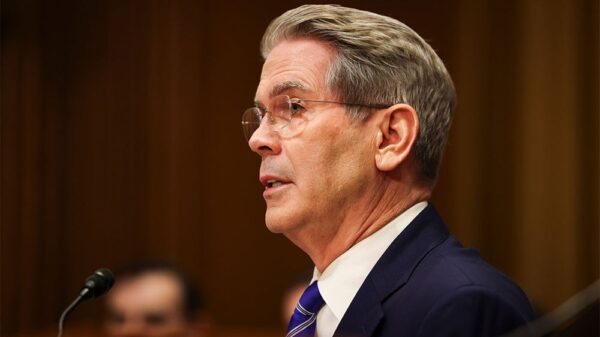

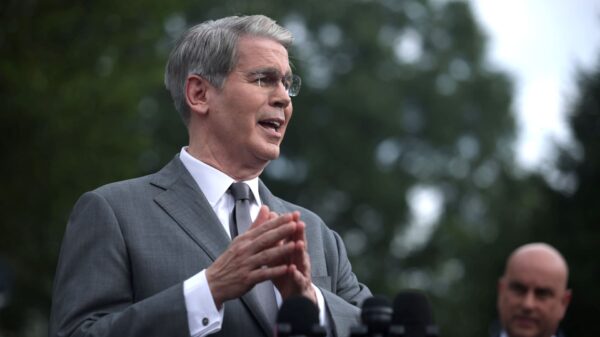


Treasury Secretary Scott Bessent may lean on the government’s massive checking account to fuel a surge in government bond buybacks, according to senior Treasury officials. By tapping into the Treasury General Account, which currently sits at roughly 950 billion dollars, the department would gain significant leverage to influence long term bond yields. This potential move comes after the Treasury surprised investors last week by announcing it would double its purchases of certain long term securities, though it left open the question of how those buys would actually be financed.
While many market participants initially assumed the Treasury would fund these operations by selling short term bills—a strategy Bessent described as a Treasury Twist—skepticism grew regarding whether the government had enough resources to make a real impact. Using the general account changes that calculation entirely. Because this fund consists of existing tax collections held at the Federal Reserve, utilizing it allows for aggressive action without immediately relying on new debt issuance or requesting assistance from the central bank.
Reducing the balance of this rainy day fund carries little immediate risk, as experts suggest the government is unlikely to hit another debt ceiling impasse until early next year. This window provides ample time for the Treasury to replenish its reserves if necessary. Furthermore, simply signaling that these funds are available could be enough to shift market perceptions and stabilize yields, regardless of how much cash is actually spent.
Despite criticisms that these sudden announcements disrupt the traditional predictability of bond sales, Treasury officials maintain that they are operating within established guidelines. They argue that providing several weeks of notice before operations begin gives markets sufficient time to adjust. For his part, Bessent has emphasized that his primary goal is to maintain market equilibrium and ensure investors remain focused on economic fundamentals rather than reacting to headlines during volatile periods.