









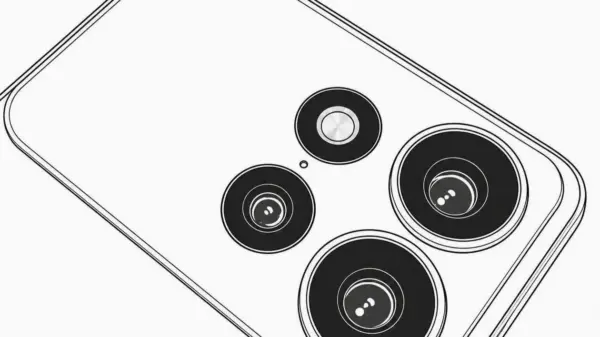










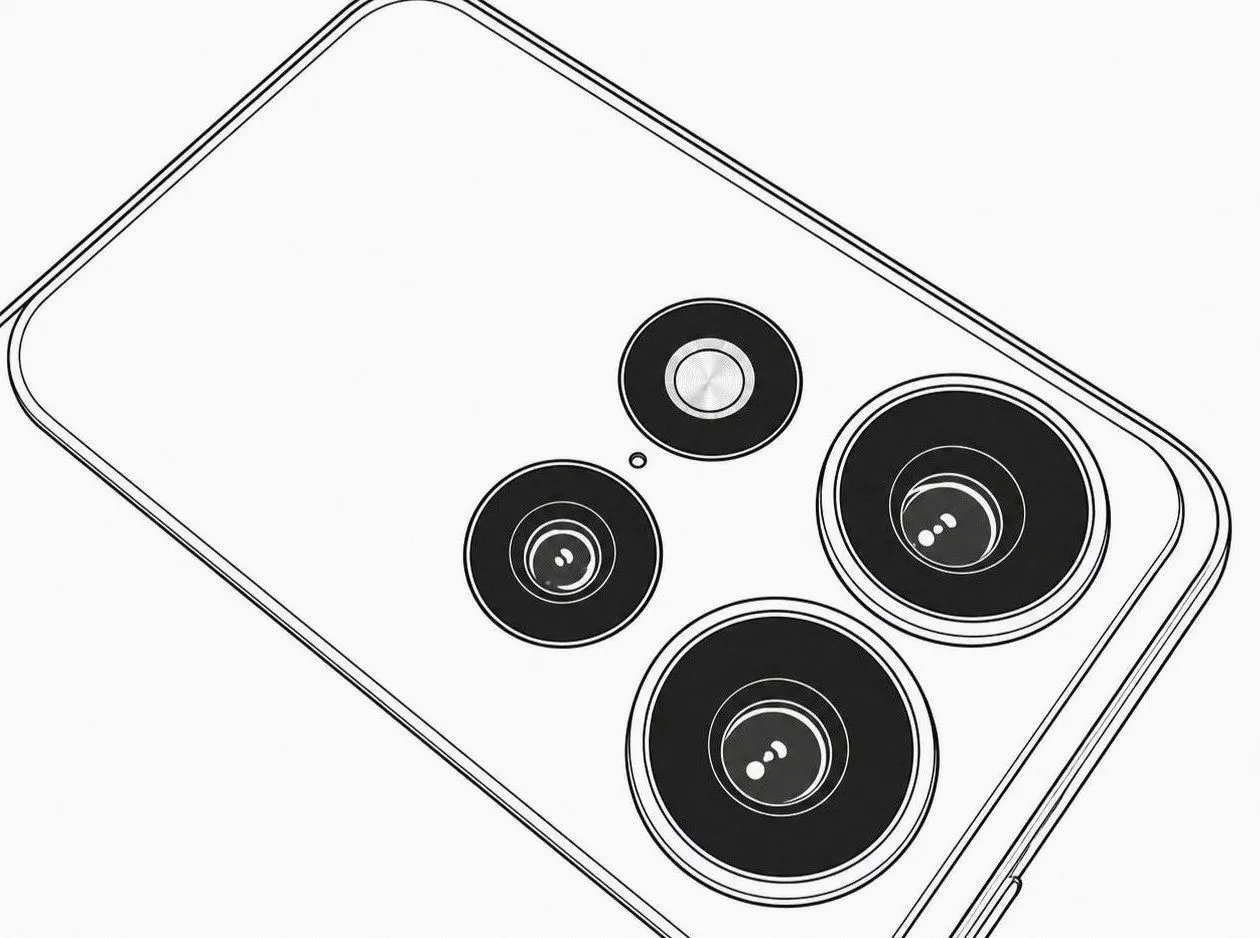
Samsung appears to be shifting its strategy for the upcoming Galaxy S27 Ultra, prioritizing cost reduction and artificial intelligence over traditional hardware components. According to recent leaks from industry insider Ice Universe, the tech giant plans to remove the laser autofocus module from the rear camera array of its next top tier device. This move marks a significant departure from the last five years of design, as every Ultra model since the S21 has relied on this specific sensor to ensure crisp images.
The decision comes amid further reports that Samsung may also scrap the three times optical zoom lens, suggesting a broader effort to streamline production costs within its mobile division. By stripping away these physical modules, Samsung aims to increase profit margins while leaning heavily into software solutions. Specifically, the company intends to replace the dedicated laser hardware with an AI driven focusing system designed to handle depth perception through algorithms rather than light pulses.
This pivot toward AI brings back memories of early struggles with previous models. Before introducing laser autofocus, the Galaxy S20 Ultra suffered from notorious focus hunting issues that frustrated users and critics alike. While modern machine learning is far more advanced than it was years ago, some enthusiasts worry that relying solely on code could lead to a regression in real world performance, especially when competing against high end Chinese smartphones that continue to stack their decks with specialized sensors.
If these leaks hold true, consumers will find themselves looking at a leaner camera setup consisting of a massive two hundred megapixel main sensor alongside fifty megapixel ultra wide and periscope lenses. Whether this streamlined approach results in a noticeable drop in photo quality remains to be seen, but it signals a clear trend where Samsung believes smart software can finally outperform expensive hardware.