






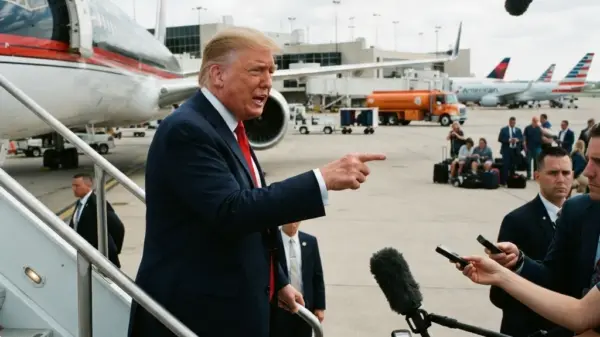











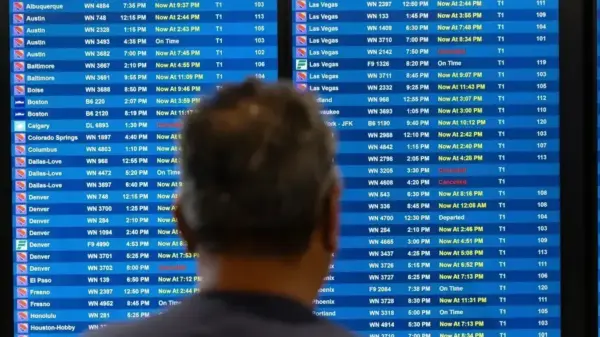


American skies began returning to normal this Monday after a catastrophic system failure left over a million passengers stranded and threw holiday travel into chaos. While flights are resuming, the aftermath has ignited a fierce political battle between the White House and congressional Democrats over how to modernize an air traffic control system that many officials admit is dangerously outdated. President Donald Trump characterized the collapse as a heart attack caused by ancient equipment, suggesting that the best path forward is to essentially blow up the current setup and start fresh with a massive infusion of federal cash.
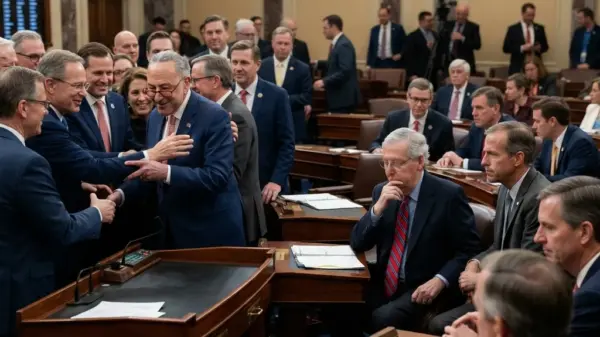
The administration’s push for funding has quickly hit a wall with Democrats, who are wary of issuing a blank check to a White House they claim lacks a coherent plan. Transportation Secretary Sean Duffy recently hiked the requested funding from thirty billion to fifty billion dollars, yet critics argue these figures are arbitrary. Senator Chris Van Hollen pointed out that billions have already been allocated through previous legislation, questioning why so little of that money has actually been spent on improvements while the rest of the network continues to crumble.
Adding fuel to the fire are accusations that the crisis was exacerbated by internal purges within the Federal Aviation Administration. Representative Jim Himes suggested that efficiency drives led by Elon Musk stripped away essential personnel, leaving the agency unable to handle technical glitches during routine maintenance. In fact, reports indicate that the actual meltdown may have been triggered by an attempt to replace obsolete copper wiring, proving that updating the system while keeping planes in the air is a precarious balancing act.
As Thanksgiving approaches, lawmakers face immense pressure to prevent another nationwide ground stop, but trust between the executive branch and Congress is at an all-time low. With Democrats poised to take control of Congress next year, this fight over aviation safety is becoming more than just a technical dispute; it is an early indicator of how dysfunctional governance may become when a Republican president faces off against an opposing legislative majority over critical national infrastructure.