




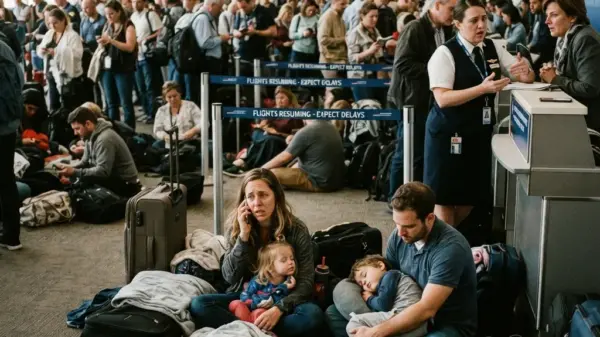














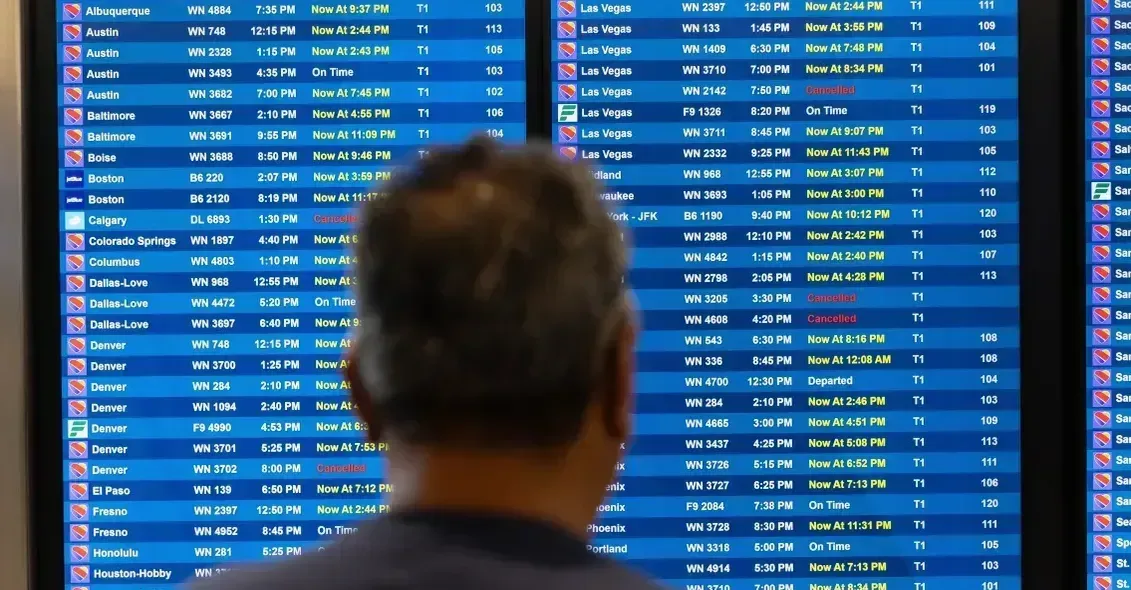
For Amanda Khera, the announcement over the airplane intercom thirty minutes outside of Atlanta felt like a nightmare. Already exhausted from rushing her toddler to a clinic in Belize due to a high fever, she was desperate to get back to Virginia Beach. When the pilot mentioned a cascading communications issue with the FAA, fear took over. Haunted by memories of previous aviation tragedies, including a deadly midair collision over Reagan National Airport in 2025, Khera spent her descent staring out the window, wondering if the pilots were flying blind and if another catastrophe was imminent. While she eventually landed safely, she stepped off the plane into a frozen terminal where over six hundred flights had been canceled as part of a total nationwide ground stop.
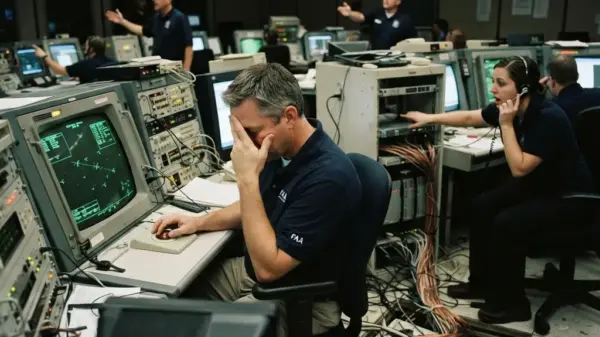
The chaos began on Friday afternoon when pilots and controllers across the Midwest noticed their radios becoming garbled and unreliable. At first, those at airports in Grand Rapids and Moline thought it was a localized glitch, but within minutes, reports flooded in that Chicago Approach was going dark. By late afternoon, the FAA issued an unprecedented order halting all departures across U.S. airspace citing extraordinary circumstances. Pilots throughout the country expressed disbelief as they realized the outage wasn’t limited to a single city or region but had paralyzed the entire national air traffic control system.
The culprit behind this systemic collapse was surprisingly small: a single faulty router in El Dorado, Arkansas. As part of ongoing efforts to patch together an aging infrastructure known as the FAA Telecommunications Infrastructure or FTI, contractors replaced an old telephone switch with a newer fiber data router. However, once activated, this piece of equipment began flooding the network with hundreds of connection attempts every second. This surge created a cascading failure that overwhelmed the data backbone provided by L3Harris, which serves as the essential link between thousands of aviation facilities carrying critical voice and radar data.
Experts explain that while modern consumer apps like FaceTime can simply blur video when data is lost, air traffic control requires absolute precision and stability. Even a minor drop in data packets can lead to a complete cessation of vital feeds. Because the FTI lacks these modern redundancies and relies on rigid synchronization sources, one malfunctioning device in Arkansas managed to sever communication for seventeen of twenty-two regional control centers. With a full replacement for this fragile system not scheduled until 2028, passengers and pilots are left questioning how such an outdated architecture remains entrusted with millions of lives daily.