










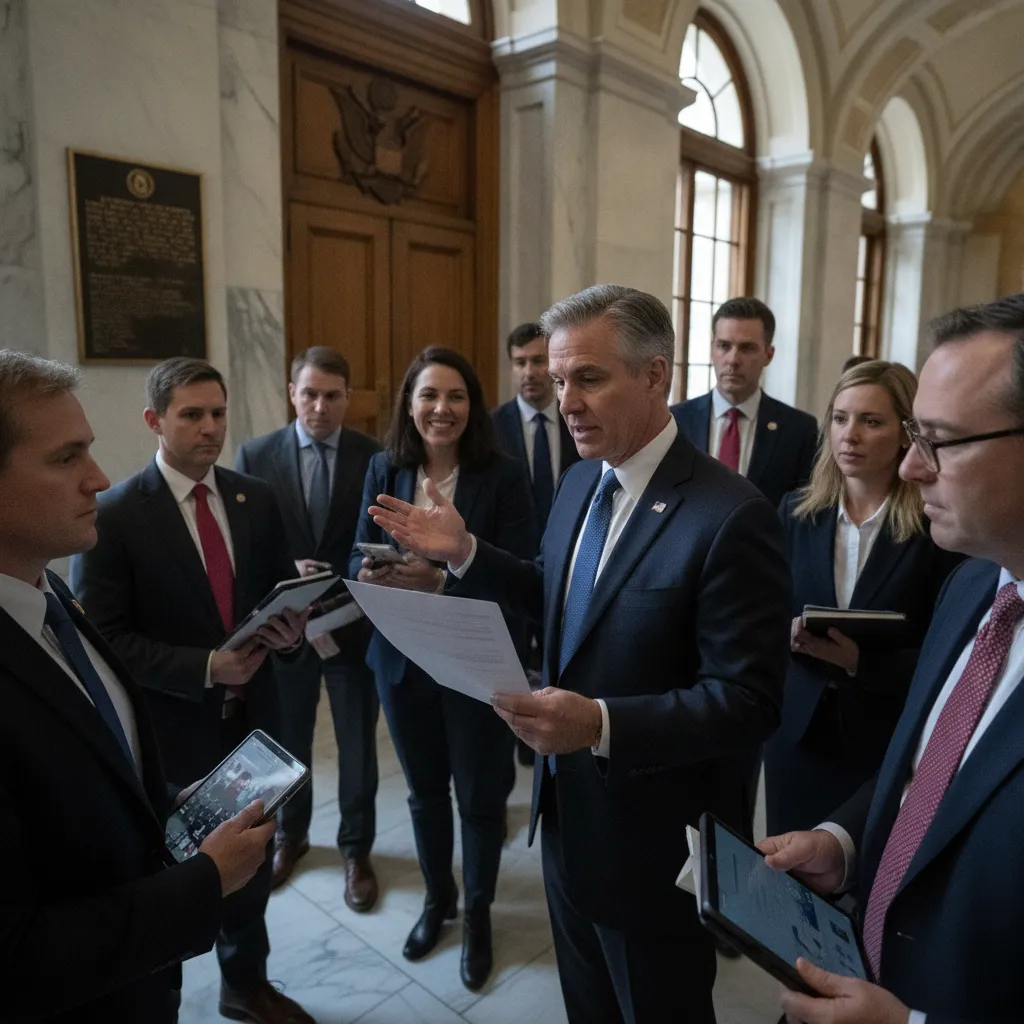
The Department of Justice is loosening the reins on how its highest-ranking officials engage in politics, paving the way for Attorney General Todd Blanche and other Senate-confirmed appointees to take a more active role in partisan events. According to an internal memo obtained by PBS News, the agency’s top ethics official has introduced new language that exempts these specific presidential appointees from many of the strict prohibitions that typically govern senior government staff. Under these relaxed guidelines, leaders like Blanche can now address political gatherings and openly endorse or oppose candidates.
While the administration argues that this move simply clarifies existing laws, critics suggest it represents a significant departure from decades of tradition designed to keep the nation’s chief legal body independent. Former DOJ ethics head Joseph Tirrell warned that by lowering the bar to match only the basic requirements of the Hatch Act, the department is abandoning a higher standard of conduct maintained by previous attorneys general. He argued that such a shift risks eroding public confidence in the fairness of justice department decisions, suggesting that neutrality may now be sacrificed for political loyalty.
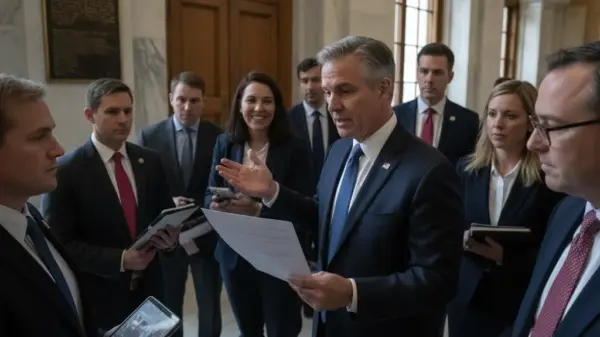
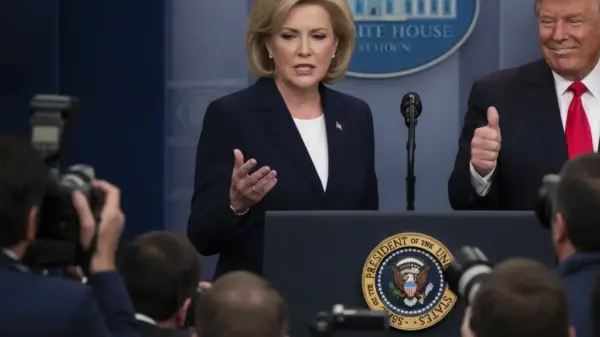
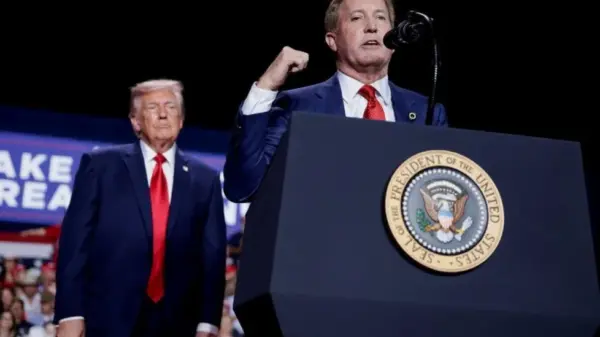
The timing of this policy change coincides with a series of high profile appearances by Attorney General Blanche at political functions. He recently appeared at a Senate campaign rally in North Carolina to introduce President Donald Trump and attended the Republican Party’s midterm convention. These types of engagements would have likely triggered red flags under previous administrations, which generally discouraged top DOJ officials from appearing alongside partisans shortly before an election to avoid any appearance of using official power to sway voters.
In response to these concerns, a Department of Justice spokesperson stated that the updated guidance merely clarifies an existing exception within the Hatch Act for Senate confirmed officials. They noted that while appearances with partisan candidates will still undergo review by ethics officials to determine if they are official or political in nature, the overall approach reflects current administrative priorities. This marks another step in a broader trend during the second Trump administration toward dismantling stricter norms established during previous eras.