



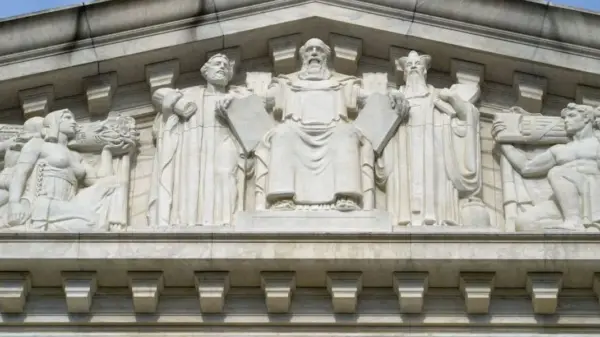










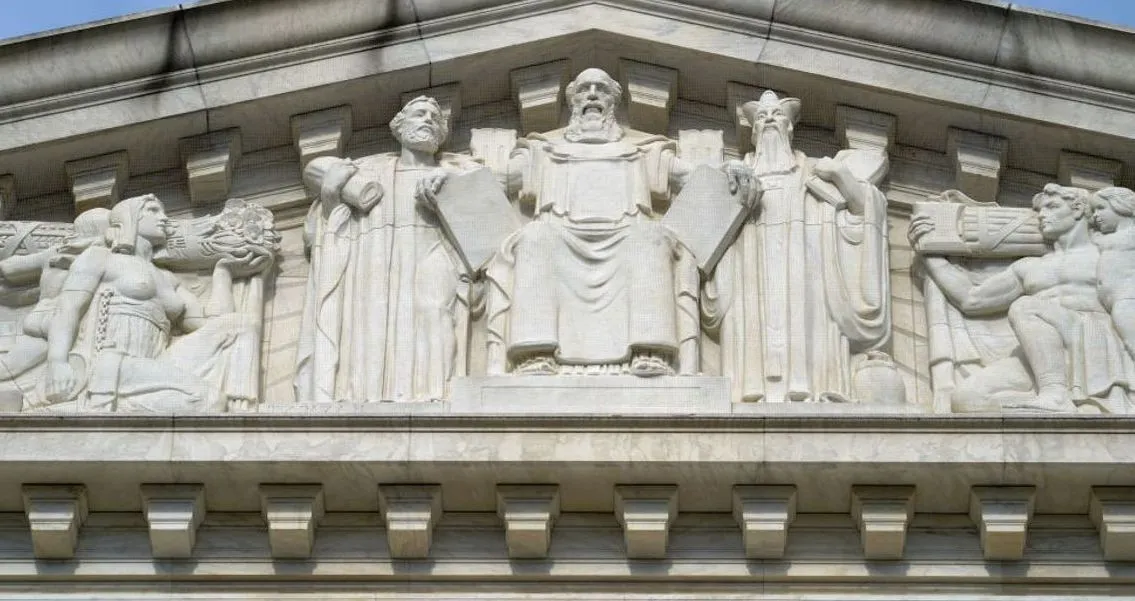
The Supreme Court has once again intervened in a legal tug-of-war over whether political parties and fundraising committees are entitled to discounted advertising rates during election seasons. Chief Justice John Roberts issued an emergency pause on Thursday, blocking a lower court order that would have forced the Federal Communications Commission to make a definitive ruling on the matter by Friday noon. This latest move comes just weeks after the high court previously stalled a similar effort to limit these preferential rates strictly to individual candidates.
At the heart of the conflict is a public notice from the FCC suggesting that discounts typically reserved for federal candidates should also apply to party organizations and joint fundraising committees. However, Senator Jon Ossoff and several other Democratic lawmakers challenged this interpretation, arguing that federal law explicitly limits these breaks to candidates themselves. Their fight reached the 4th Circuit Court of Appeals, where a divided panel initially agreed that extending the discounts beyond individuals was legally unsound.
The dispute shifted toward procedural grounds when Republican committees argued that the 4th Circuit never had the authority to rule on the matter because the FCC’s guidance was merely a staff level document rather than a final agency action. U.S. Solicitor General D. John Sauer described the lower court’s attempt to force a deadline as an egregious intrusion into the electoral process, warning that sudden changes to campaign finance rules so close to an election could create chaos for campaigns across the country.
While the Democratic challengers maintain they followed proper protocols by asking the FCC for review before heading to court, Chief Justice Roberts has given them until Saturday evening to respond to the government’s request for a stay. For now, the status quo remains frozen as the Supreme Court considers whether it will permanently shield the FCC from judicial deadlines until after this year’s elections are concluded.