


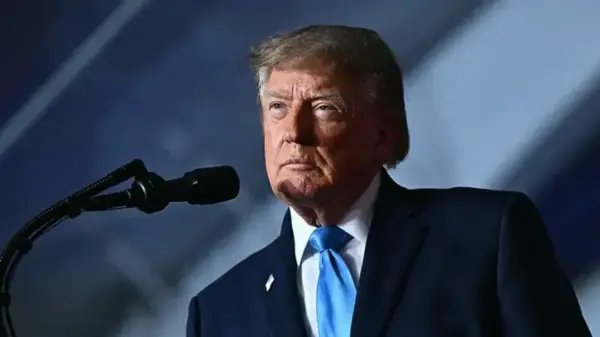
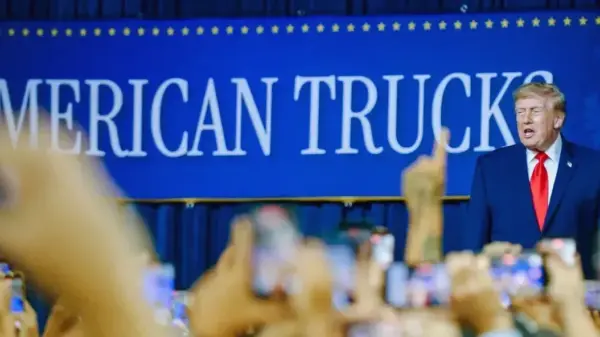
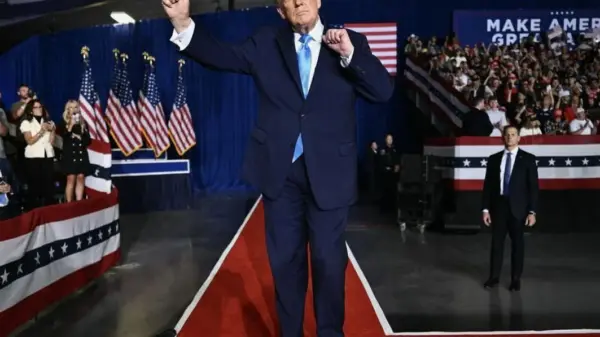
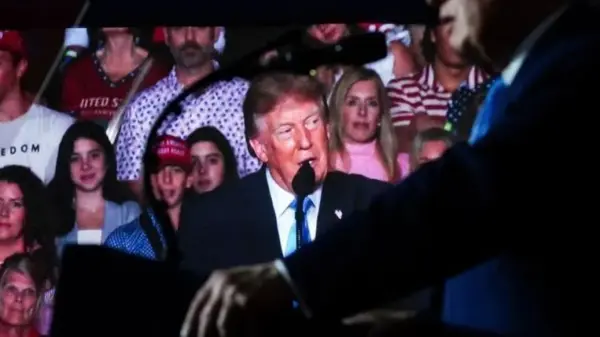









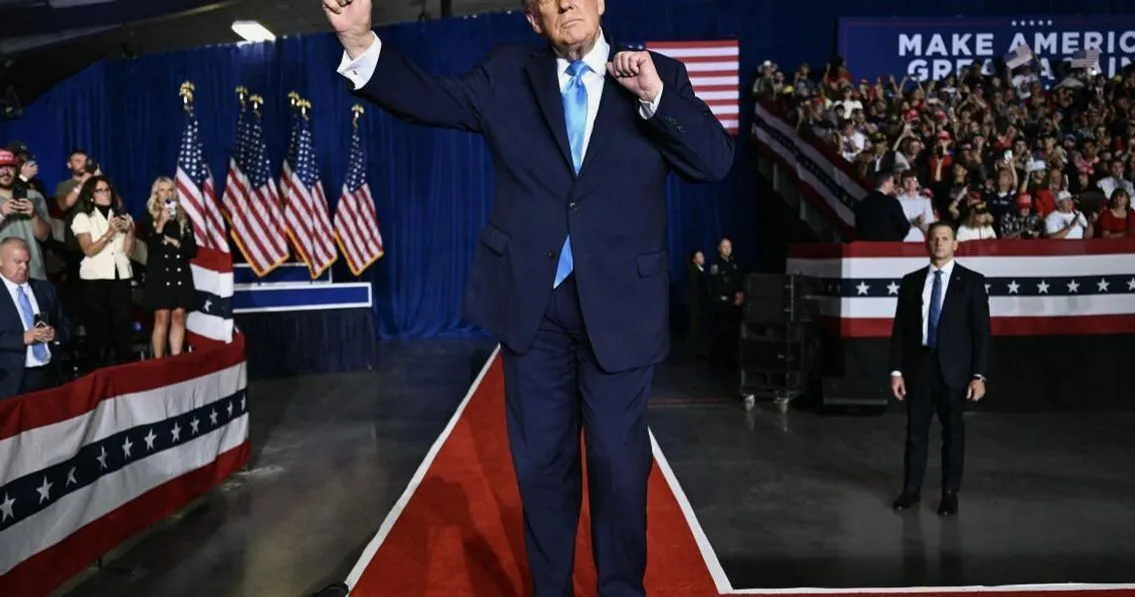
As the midterm elections enter their final stretch, President Trump has leaned heavily into a familiar campaign tactic, casting California as the ultimate political villain to energize his core supporters. During a recent swing through red states like Nebraska and Oklahoma, the president has used the Golden State as a convenient scapegoat for everything from soaring gasoline prices to allegations of systemic voter fraud. However, this strategy took a provocative turn during a Nebraska rally when Trump suggested that Iranian aggression might result in the loss of major West Coast hubs, remarking that letting Iran take out Los Angeles or San Diego would be a small price to pay for global security.
The fallout from these comments was immediate and widespread, crossing traditional party lines. While the White House later attempted to walk back the remarks by claiming they were taken out of context, several California officials expressed outrage. Governor Gavin Newsom labeled the rhetoric dangerous, while mayors from both Los Angeles and San Diego condemned the callousness of suggesting American cities be sacrificed. Even some within his own party felt the sting; Jim Desmond, a Navy veteran and Republican candidate in a tight House race, publicly broke with the president, asserting that the primary duty of any commander in chief is to protect every inch of American soil.
This aggressive approach highlights a delicate balancing act for the GOP. In deep-red strongholds, bashing California serves as an effective applause line that motivates conservative voters. Yet, in an era where digital clips circulate instantly, such inflammatory language can alienate moderate voters and put Republicans in competitive districts in an uncomfortable position. Political analysts suggest that while Trump remains adept at capturing attention and dominating the news cycle, there is growing concern over whether this unpredictability is beginning to undermine his own broader strategic goals.
Beyond the rhetoric regarding national security, Trump continues to tie California to economic grievances that resonate nationwide. By blaming closed refineries in blue states for high fuel costs—while simultaneously promising that conflict with Iran will eventually drive prices down—he is attempting to pivot away from poor polling on his economic record. Despite these efforts to frame California as a corrupt failure, local polls indicate significant disapproval toward his foreign policy decisions, leaving many to wonder if treating one of the nation’s largest economies as a punchbag will ultimately help or hinder the Republican cause at the ballot box.