



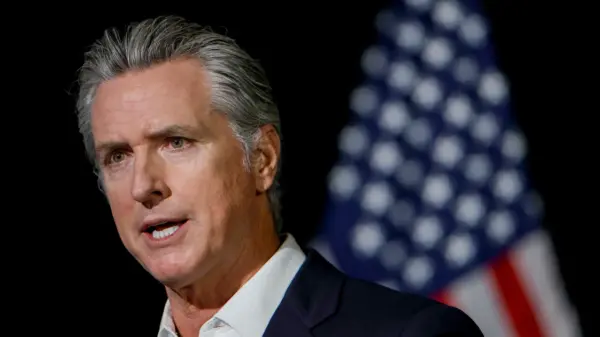










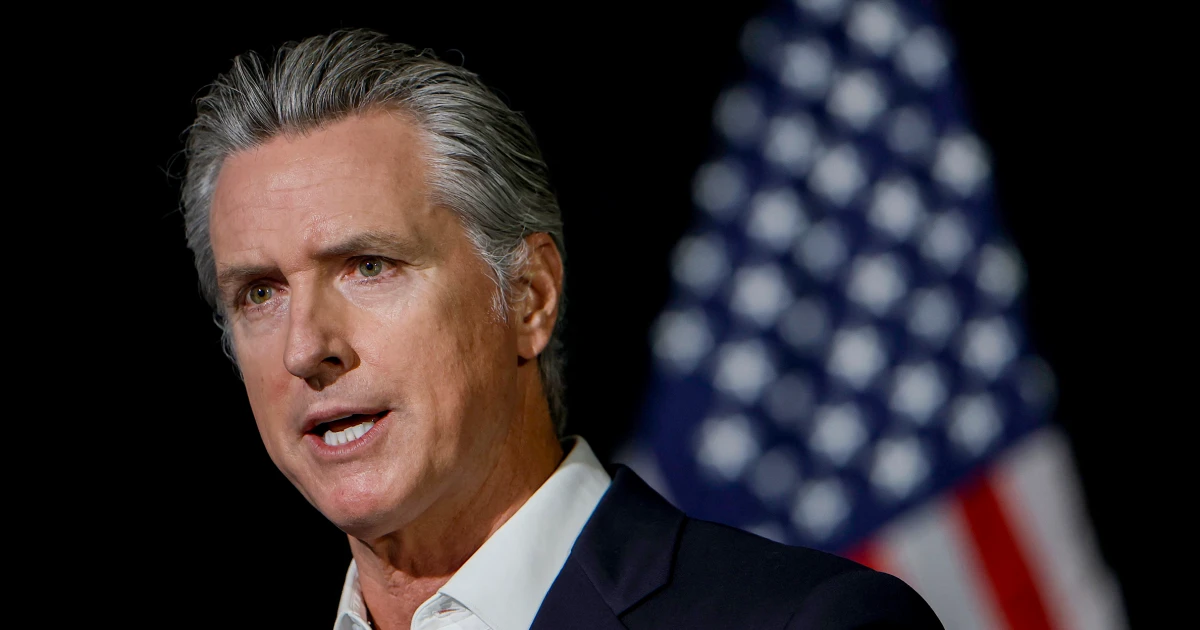
California Governor Gavin Newsom has signed a new law designed to crack down on social media influencers who promote political candidates or causes without revealing they are being paid. While previous regulations already suggested that creators should disclose sponsored content, those rules lacked any real teeth. Under the newly approved AB1130, authorities can now levy civil penalties or even file misdemeanor charges against offenders using the Political Reform Act of 1974, effectively turning a guideline into a legal requirement.
The move comes as political campaigns shift their budgets away from traditional television spots and toward digital personalities who hold significant sway over younger audiences. Assembly member Marc Berman, the architect of the legislation, argued that it is essential for voters to distinguish between an organic opinion and a paid advertisement. He noted that as the influencer industry transforms how candidates talk to the public, transparency becomes a cornerstone of maintaining an informed electorate.
This legislative push follows several high profile controversies involving hidden payments in recent election cycles. Most notably, billionaire climate activist Tom Steyer faced scrutiny during his run for governor after reports surfaced that his campaign paid influencers to share positive content without disclosing the financial arrangement. Although representatives for Steyer dismissed these allegations as baseless, the incident highlighted a systemic loophole where campaigns could bypass traditional ad disclosures by routing money through individual content creators.
Academic researchers suggest that this lack of clarity poses a broader risk to democratic discourse beyond simple dishonesty. Experts from the Information Integrity Institute emphasize that when propaganda is disguised as authentic peer recommendation, it can subtly manipulate public perspective in ways that transparent ads do not. By mandating clear labels on paid political posts, California aims to protect its citizens from deceptive messaging and ensure that authenticity on social media isn’t simply something that can be bought and sold in secret.