













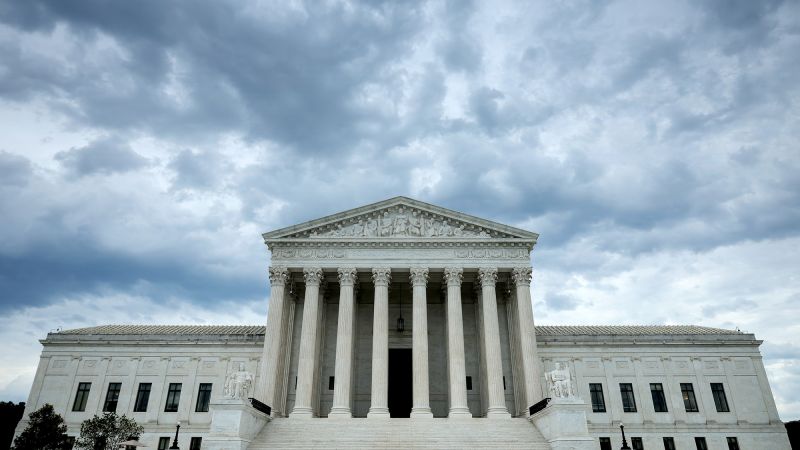
The Supreme Court ruled on Monday that President Donald Trump can begin implementing portions of an executive order designed to restrict mailvoting, though legal experts warn that further courtroom battles could still stall the plan before the November midterms. In an unsigned order issued over the objections of the court’s three liberal justices, the majority allowed the administration to proceed with a proposal giving the Department of Homeland Security a role in compiling eligibility lists for voters in several Democratic led states. The ruling adds a layer of volatility to the lead up to the election by permitting federal agencies to take unprecedented roles in managing state level voting processes.
Part of the president’s directive would also require the U.S. Postal Service to enforce new mandates on states wishing to utilize mail ballots, including requirements for tracking information and verified voter lists. However, because a lower court has already blocked these specific efforts nationwide in a separate case, it remains unclear if the Postal Service can actually execute these changes without another round of emergency appeals. The Supreme Court noted that its current decision does not confirm whether these measures are ultimately lawful, stating simply that time will tell as states continue to challenge the rules.
Democratic governors expressed concern that the ruling forces them to divert critical time and resources away from election preparations just months before voters head to the polls. Legal analysts suggest this is only a temporary victory for the White House, noting that district courts could still step in to block the underlying regulations at any moment. This tension reflects a broader divide within the high court, where conservatives and liberals have clashed sharply over voting rights throughout the year.
Justice Sonia Sotomayor and Justice Elena Kagan argued that lower courts should have been permitted to rule in favor of the states immediately, emphasizing that the majority avoided addressing whether Trump actually possesses the constitutional authority to interfere with state elections. Justice Ketanji Brown Jackson was even more pointed in her dissent, claiming the decision needlessly injects chaos into the midterm cycle. She described the court’s shifting logic regarding when election challenges are considered timely as a Kafkaesque nightmare, arguing that voters and officials are being left in a state of precarious uncertainty.