



















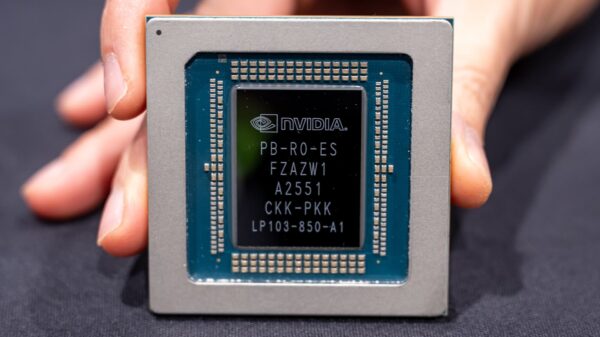

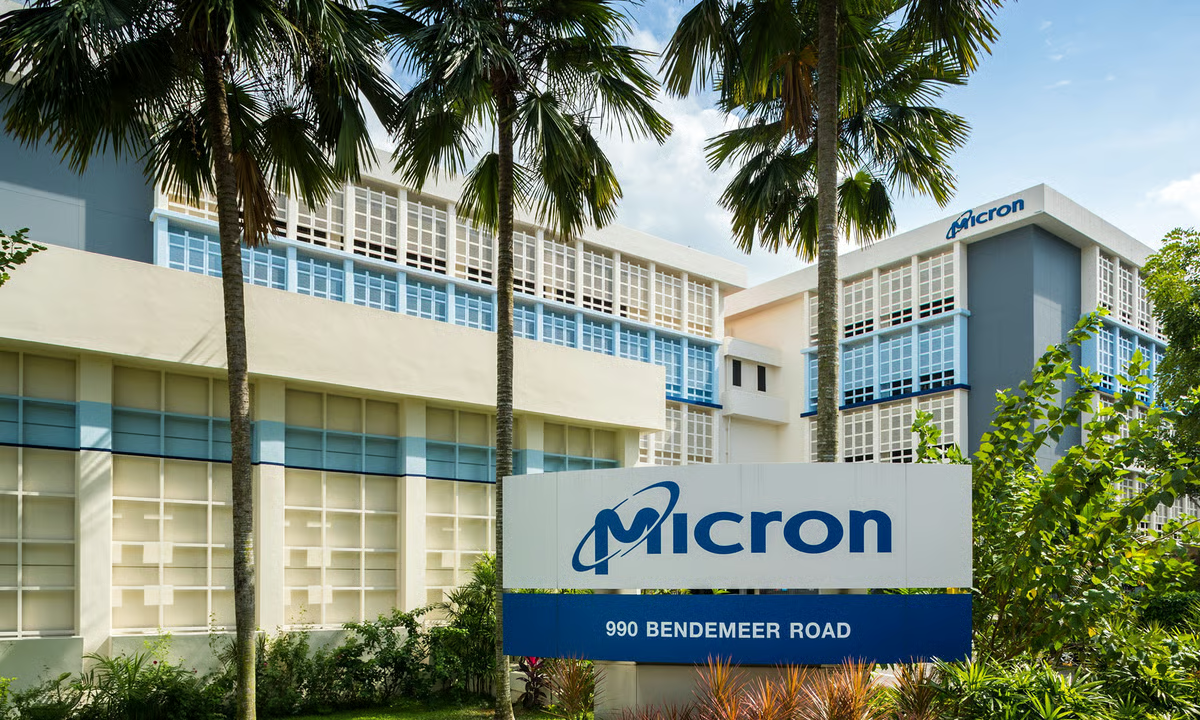
The conversation surrounding artificial intelligence usually focuses on processors and software, but a critical bottleneck is quietly shifting the landscape toward memory producers like Micron Technology. For years, memory was treated as a basic commodity subject to wild price swings, yet it is increasingly becoming the primary limiting factor in how fast AI can evolve. Because new AI models often outpace the ability of memory subsystems to feed them data, Micron’s advancements in high bandwidth memory are no longer just incremental updates; they are essential components for the survival of next generation computing.
This structural shift suggests that Micron could move away from its reputation as a volatile, cyclical business and instead be viewed as a foundational piece of AI infrastructure. Long term supply contracts and the rise of sovereign AI programs are creating a more predictable revenue stream, which could lead investors to reward the company with a higher valuation multiple. Furthermore, as Micron completes its massive manufacturing expansion, the resulting surge in cash flow could allow the company to pivot toward aggressive stock buybacks or strategic acquisitions, transforming its balance sheet into a strategic fortress.
Looking ahead to 2030, the potential return on an investment depends largely on where earnings land and how the market prices those profits. Based on various financial scenarios ranging from conservative to optimistic, an investor putting ten thousand dollars into Micron today could see their holdings fluctuate significantly. A downside scenario involving typical industry booms and busts might erode capital down to around eight thousand four hundred dollars, while an aggressive upside case could send that investment skyrocketing to over thirty six thousand dollars if earnings hit peak projections.
While the extremes provide a wide range of possibilities, many analysts believe a middle ground is most probable. A base case projection suggests a steady climb that would leave an investor with roughly sixteen thousand seven hundred dollars by the end of the decade, representing about sixty seven percent upside from current levels. Whether this bet pays off depends on whether Micron can successfully transition from a chip maker riding a wave to a permanent pillar of the global AI economy.