










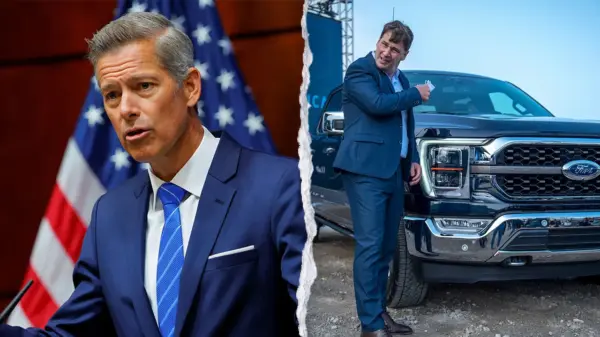
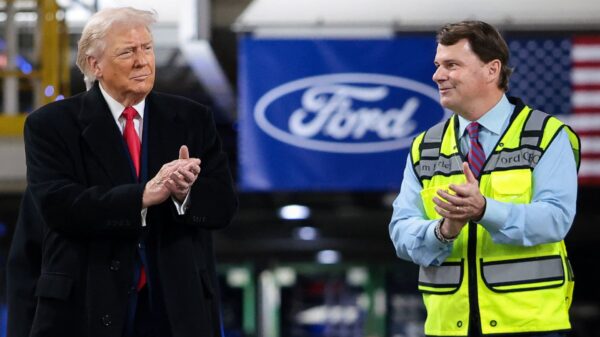
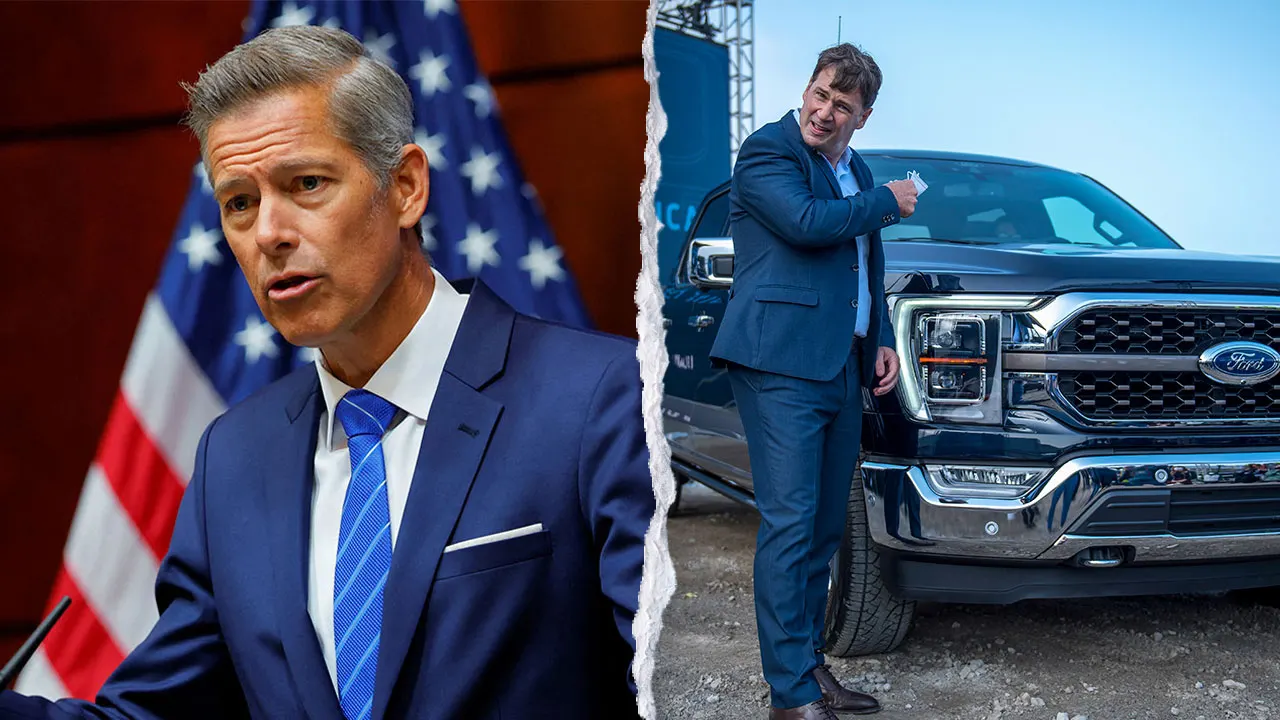
Transportation Secretary Sean Duffy has issued a stern warning to Ford Motor Co., claiming the legendary American automaker has become dangerously dependent on Chinese enterprises. In a letter addressed to CEO Jim Farley, Duffy argued that Ford’s current strategic direction threatens both U.S. national security and the stability of domestic manufacturing. This communication represents some of the most direct criticism the Trump administration has leveled against a major U.S. corporation regarding its international business ties, suggesting that an iconic American brand is effectively intertwining its future with state backed entities in China.
The Department of Transportation outlined two primary fears driving this rebuke. First, there is a significant worry that Chinese laws allow their government unrestricted access to proprietary and customer data, which could create severe security vulnerabilities within the U.S. infrastructure. Second, officials believe that continuing to rely on overseas production comes at a direct cost to American laborers and weakens the country’s industrial base. Duffy specifically highlighted Ford’s use of battery technology from CATL in Michigan and various ventures involving Geely and BYD as evidence of an unhealthy reliance on strategic competitors.
Beyond technical partnerships, Duffy expressed frustration over the slow pace of bringing luxury production back home, noting that plans to reshore certain Lincoln models might be delayed until 2030. He asserted that when a company chooses to deepen these operational dependencies, it ceases to be the reliable partner the American public expects from its leading industries. The secretary urged Ford to prioritize innovation and chart a definitive path toward technological self reliance rather than leaning on foreign systems for growth.
This clash unfolds during a period of heightened scrutiny across Washington as lawmakers push for stricter barriers against Chinese influence in the automotive sector. Recent bipartisan efforts in the Senate have sought to ban the import and operation of vehicles produced by foreign entities of concern, particularly focusing on connected vehicle technologies that could be exploited for surveillance or espionage. While industry groups have echoed calls for permanent bans on Chinese made cars, Ford has yet to officially respond to Secretary Duffy’s demands for a change in course.