










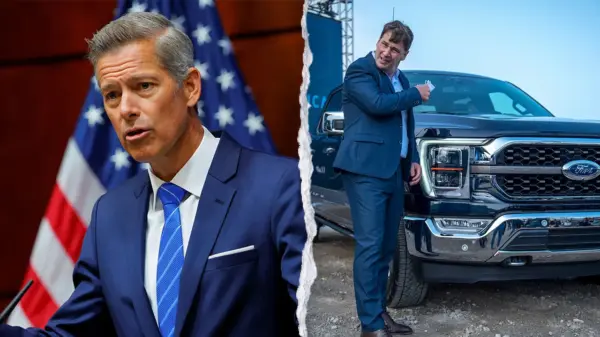
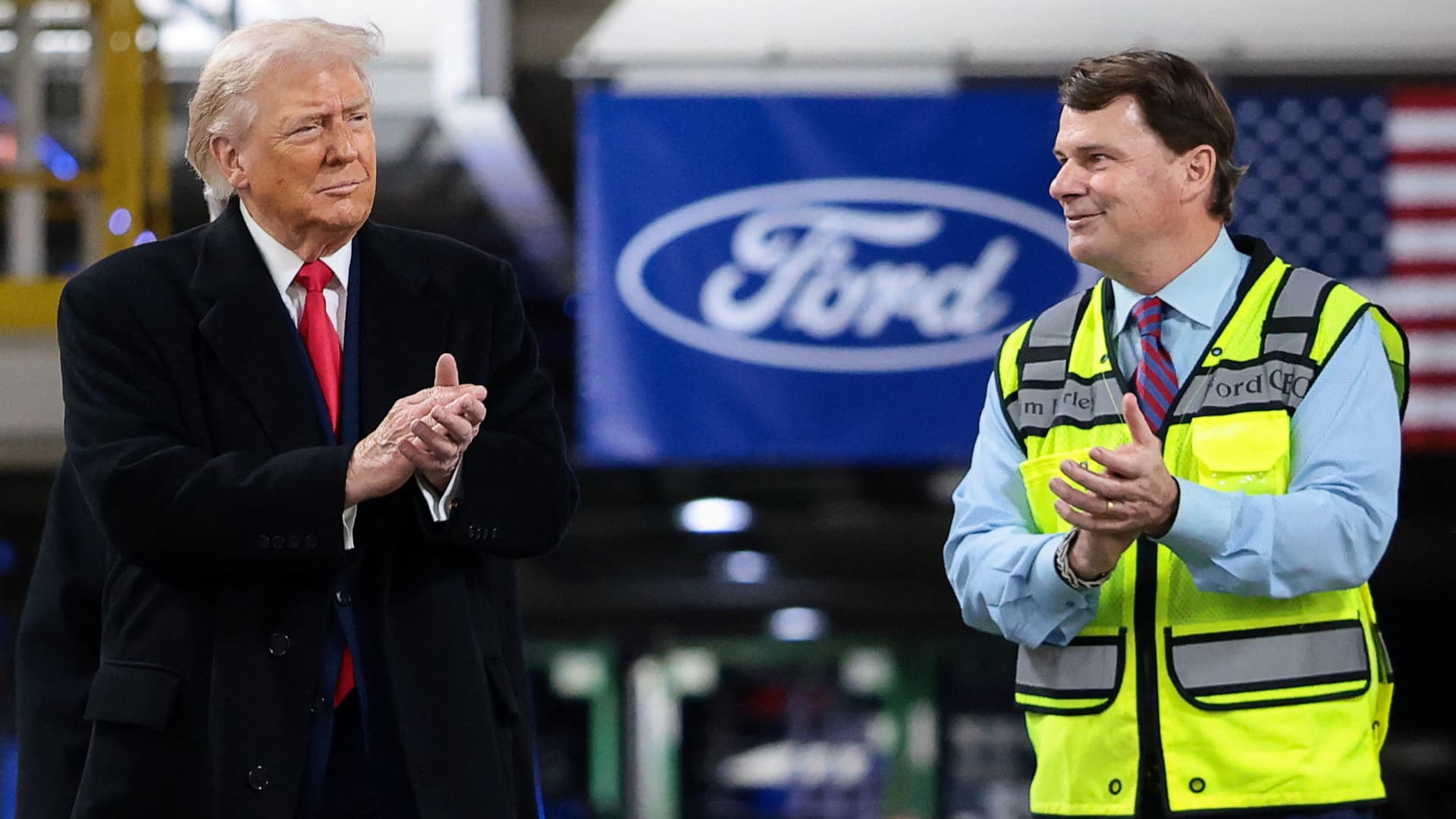
The Trump administration has voiced profound concern regarding Ford Motor Company’s ongoing relationships with Chinese firms, suggesting these ties could jeopardize both the Detroit automaker and the broader American automotive sector. In a pointed letter sent to CEO Jim Farley, Transportation Secretary Sean Duffy questioned whether Ford’s current strategic direction threatens national manufacturing integrity and creates dangerous dependencies on technology from foreign adversaries. The tension centers largely on Ford’s licensing agreement with battery giant CATL, a partnership designed to bring advanced lithium iron phosphate batteries to the U.S. market.
Secretary Duffy argued that while he understands the pressures of global competition, Ford’s decision to intertwine its future with state backed Chinese enterprises paints a troubling picture for a foundational American brand. He specifically highlighted remarks made by Farley at a previous auto show regarding potential frameworks for Chinese joint ventures on U.S. soil, urging the CEO to instead prioritize allied supply chains and domestic self reliance to protect American workers.
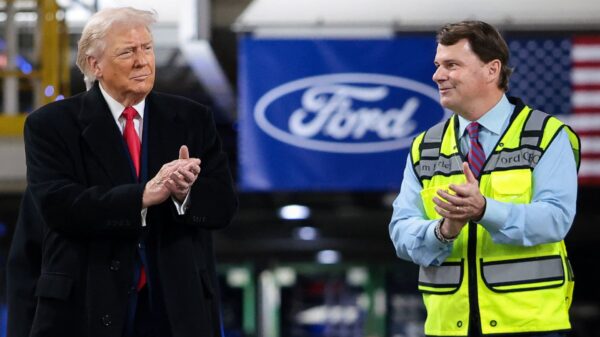
Ford responded sharply to the accusations, dismissing the letter as a wrongheaded attempt to capture headlines rather than solve problems. In a public statement, the company defended its status as the top producing automaker in the United States and noted that it employs more hourly workers domestically than any of its rivals. The company further claimed that Duffy’s letter contained significant factual errors, particularly concerning the nature of any proposed joint venture frameworks for overseas manufacturers entering the U.S. market.
Despite the friction, Ford maintained that it supports the administration’s overall vision for boosting American innovation and manufacturing. However, leadership suggested that a private conversation would have been more productive than a public critique, stating they would have been happy to provide deeper details about their domestic commitments had Secretary Duffy reached out before releasing his concerns to the press. This clash marks another volatile chapter in an increasingly tense relationship between Washington and Detroit as shifting trade policies create fresh uncertainties across the industry.