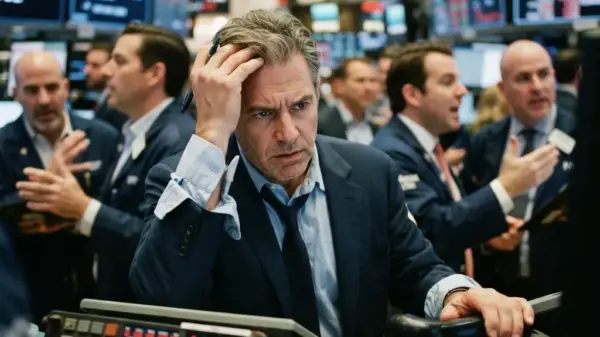


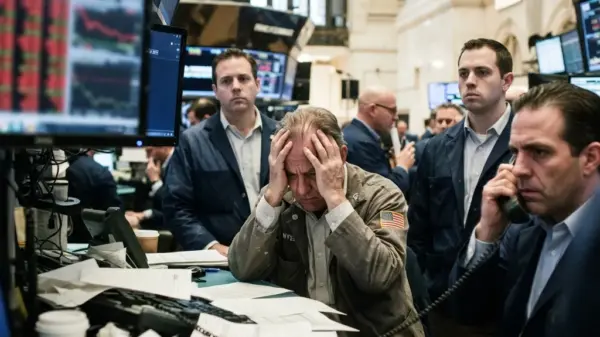
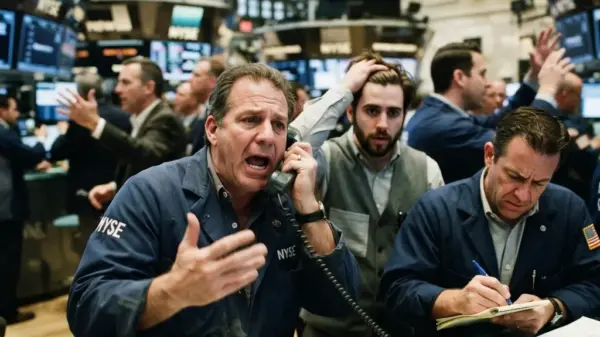











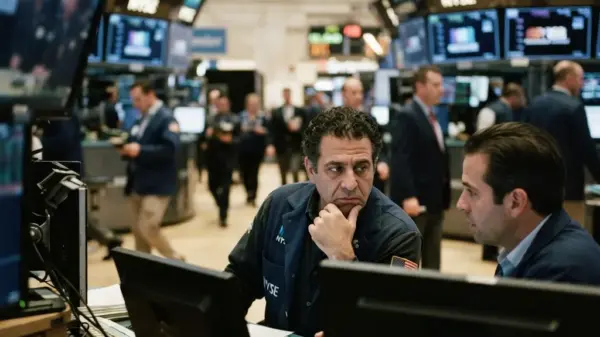
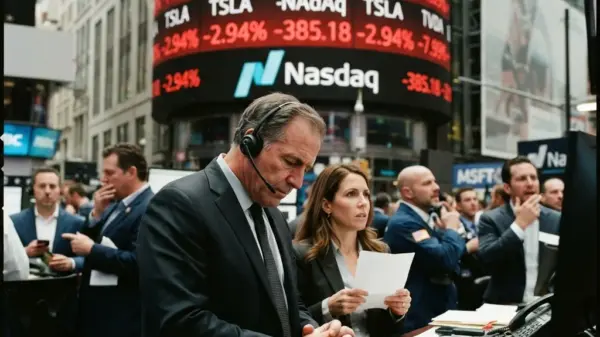






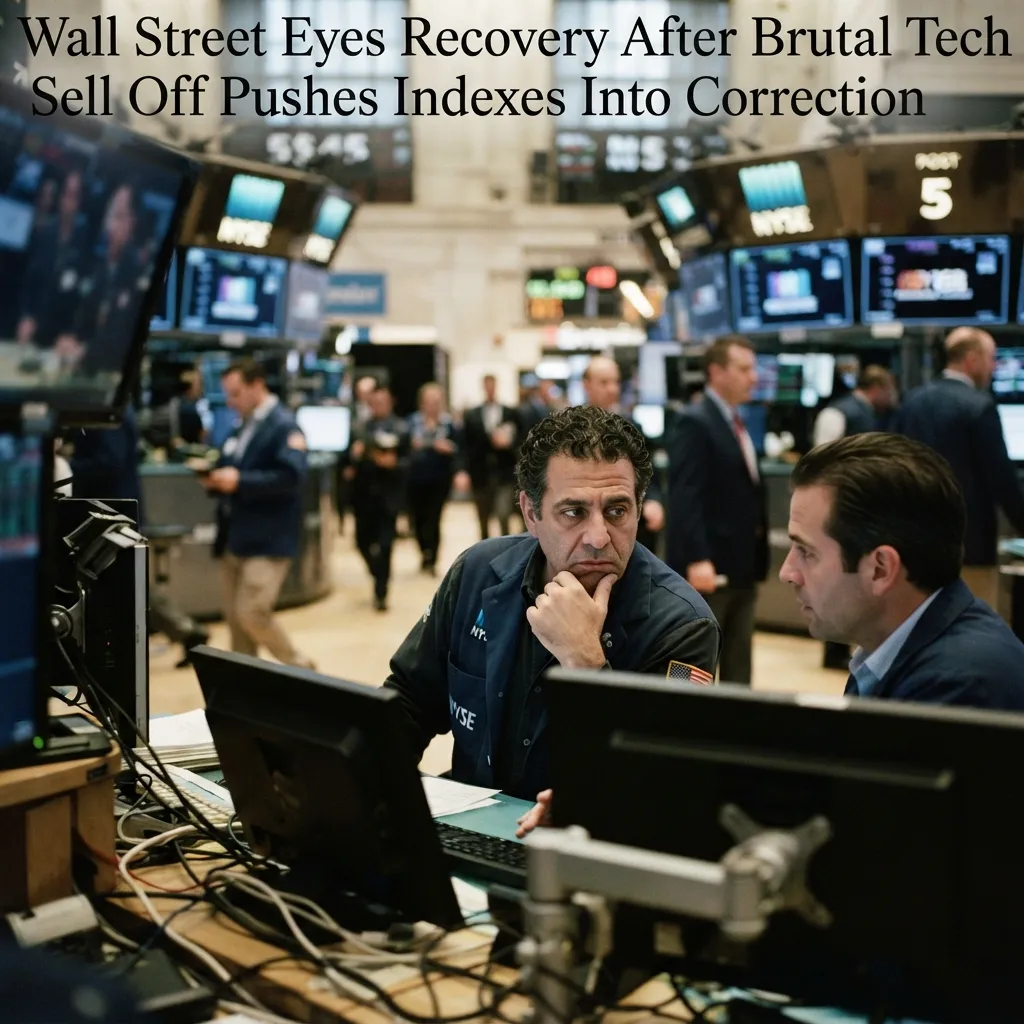
Wall Street is attempting to find its footing as U.S. equity futures climbed on Sunday evening, offering a glimmer of hope following a devastating week for investors. All three major averages entered correction territory by Friday’s close, marking some of the steepest declines seen in years. The carnage was particularly acute for the Nasdaq Composite and the Dow, both of which suffered their worst weekly drops in over six years, leaving the Nasdaq in negative territory for the calendar year.
While American traders look toward a bounce back, global markets remain cautious. In Asia, indices opened lower on Monday, with Australia’s S&P/ASX 200 continuing a losing streak and Hong Kong’s Hang Seng Index futures signaling further declines. This lingering pessimism stems largely from a sudden souring of investor appetite for artificial intelligence stocks, creating a volatile environment where even strong debuts failed to stem the tide of selling.
Analysts are now debating whether the market has finally hit a durable bottom or if there is more pain to come. Drew Pettit, chief investment strategist at Roundhill, suggested that the broad nature of last week’s selling might actually indicate the rout is ending. However, he noted that the burden of proof now lies with the bulls to demonstrate that corporate earnings stories haven’t been fundamentally broken by the recent volatility.
Attention will shift heavily toward upcoming earnings reports from hardware giants Hewlett Packard Enterprise and Dell Technologies early this week. Both companies have been hammered recently due to their ties to AI infrastructure, making their financial disclosures critical benchmarks for the sector’s health. Traders will be navigating these moves during a truncated schedule, as markets prepare for an early exit ahead of the Thanksgiving holiday on Thursday.