

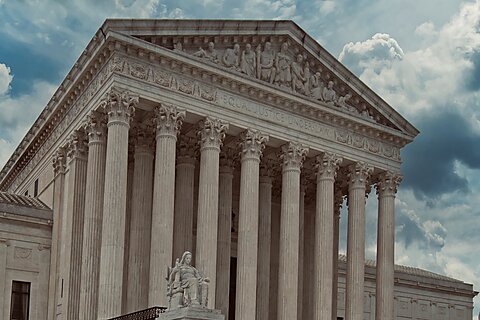













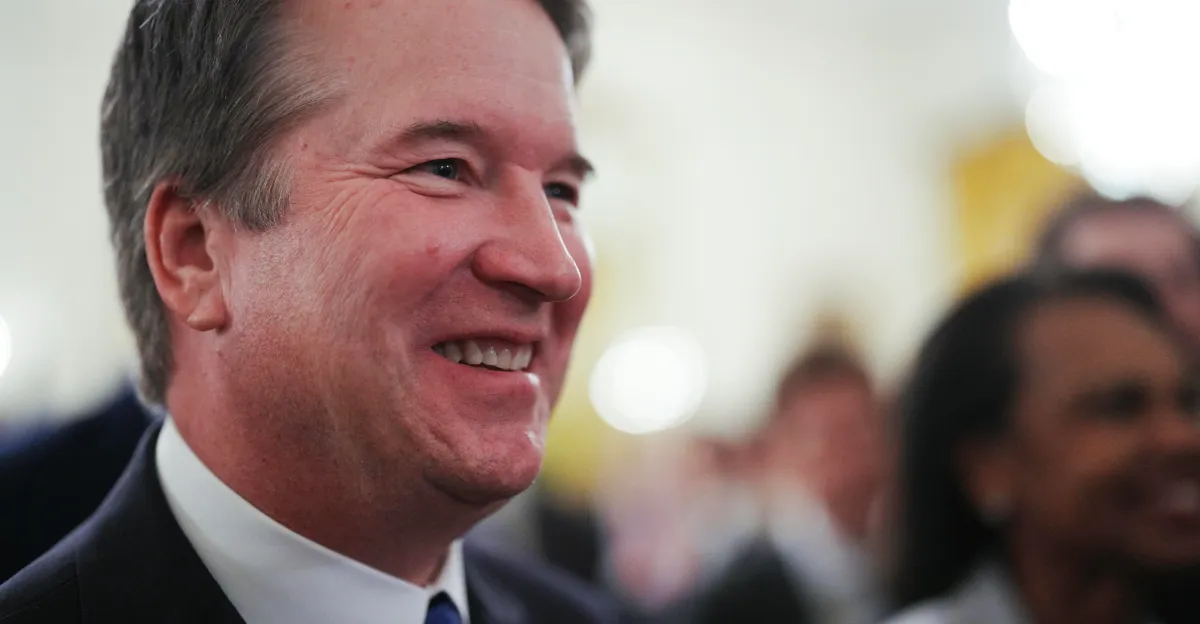
Democrats experienced a fleeting moment of triumph on Tuesday evening when the United States Supreme Court delivered a swift and stinging blow to Republican efforts to redraw Missouri’s congressional maps. In a move that felt almost dismissive, Justice Brett Kavanaugh rejected an application from Missouri Secretary of State Denny Hoskins in just six words, simply stating that the application was denied. Because the high court rarely allows a single justice to dispose of a case unless the matter is viewed as completely one sided, the brevity of the order suggested that the GOP’s request was seen as fundamentally meritless.
The legal battle centers on a 2025 state law intended to grant Republicans an additional seat in the U.S. House through strategic redistricting. While Missouri’s state supreme court had already halted the plan, noting that voter petitions had successfully triggered a referendum that prevented the maps from taking effect, Republicans hoped the conservative majority at the national level would intervene. Instead, Kavanaugh shut down the effort, leaving many to believe that the fight over these specific boundaries had reached a definitive end.
However, any sense of victory for Democrats lasted only minutes before a contradictory ruling emerged from lower courts. Judge Stephen Clark, a federal district judge in Missouri, issued an order requiring the state to use those same GOP friendly maps despite Kavanaugh’s dismissal of nearly identical legal arguments in another case. This sudden reversal has plunged Missouri’s upcoming congressional elections into significant uncertainty and highlights a broader trend of chaotic preelection litigation across the country.
Election officials are now left navigating a minefield of competing mandates as they prepare for the midterms. With one federal judge ordering one path and a Supreme Court justice signaling another, it remains unclear which map will actually govern where voters cast their ballots. This clash reflects a larger struggle over gerrymandering and voting access that continues to fluctuate between various levels of the judiciary, turning administrative preparation into a guessing game based on whichever court speaks last.