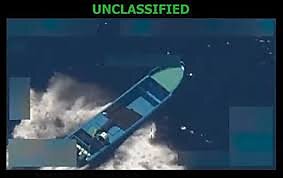




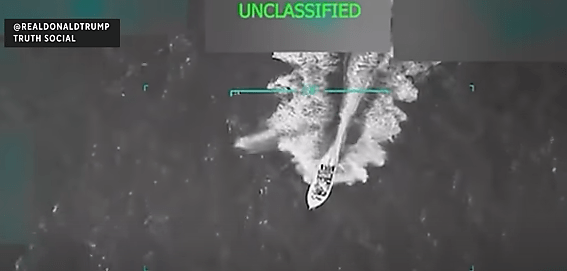
Since September 2025, the United States has conducted dozens of military strikes in the Caribbean and eastern Pacific against vessels allegedly engaged in drug trafficking. As of late May, the death toll was over 200 people. The administration argues these operations protect Americans from narcotics flowing into the country.
This onslaught is an unsurprising extension of the war on drugs, in which the United States has filled prisons, expanded surveillance, militarized policing, and dedicated enormous resources to interdiction at home and abroad. Yet because criminal organizations adapt, drugs remain widely available and overdose deaths remain tragically high.
The ineffectiveness of military force follows from basic economic logic. Markets respond to incentives. When governments try to limit supply, drugs become scarcer and prices rise. Higher prices create stronger incentives for suppliers to pursue new strategies and for new suppliers to enter the market. Smuggling routes shift. Traffickers adopt new technologies and tactics. Criminal organizations become more sophisticated. Excessive military force thus causes not the elimination of the drug trade but its adaptation.
This pattern has repeated itself throughout the history of drug prohibition. Cocaine, heroin, methamphetamine, and fentanyl have all remained available despite aggressive enforcement campaigns. Each major crackdown has been followed by innovation from traffickers rather than the disappearance of the market.
Military strikes will not alter this reality. Destroying a boat may eliminate one shipment and one group of smugglers, but not the underlying demand that makes trafficking profitable. Military officials acknowledge as much. As long as consumers are willing to pay, suppliers will emerge to meet that demand.
The irony is that policies intended to suppress drug markets often strengthen the most ruthless organizations operating within them. Large criminal groups are better equipped than smaller competitors to absorb losses, evade enforcement, and replace personnel. The result can be greater concentration of power among the organizations policymakers claim to be fighting.

Rather than escalating the war on drugs, policymakers should ask whether the benefits of prohibition justify the costs. These include elevated violence and corruption (because underground markets cannot resolve disagreements with standard legal means); erosions of civil liberties (because enforcement of crimes with no natural complainant requires invasive police tactics, like no-knock warrants); limitations on legitimate medical uses of banned substances (because authorities fear legitimization of these substances); elevated overdoses (because quality control is difficult in underground markets); and tens of billions annually in expenditure on enforcement. Prohibition also risks diplomatic tensions throughout Latin America and stimulates out-migration as residents of source countries flee the violence and chaos caused by prohibition.
After decades of experience, we should know that military force cannot repeal the laws of supply and demand. A war at sea will not succeed where every previous phase of the war on drugs has failed. Instead of doubling down on an ineffective strategy, the United States should finally do the right thing: legalize all drugs.
Cross-posted from Substack.