
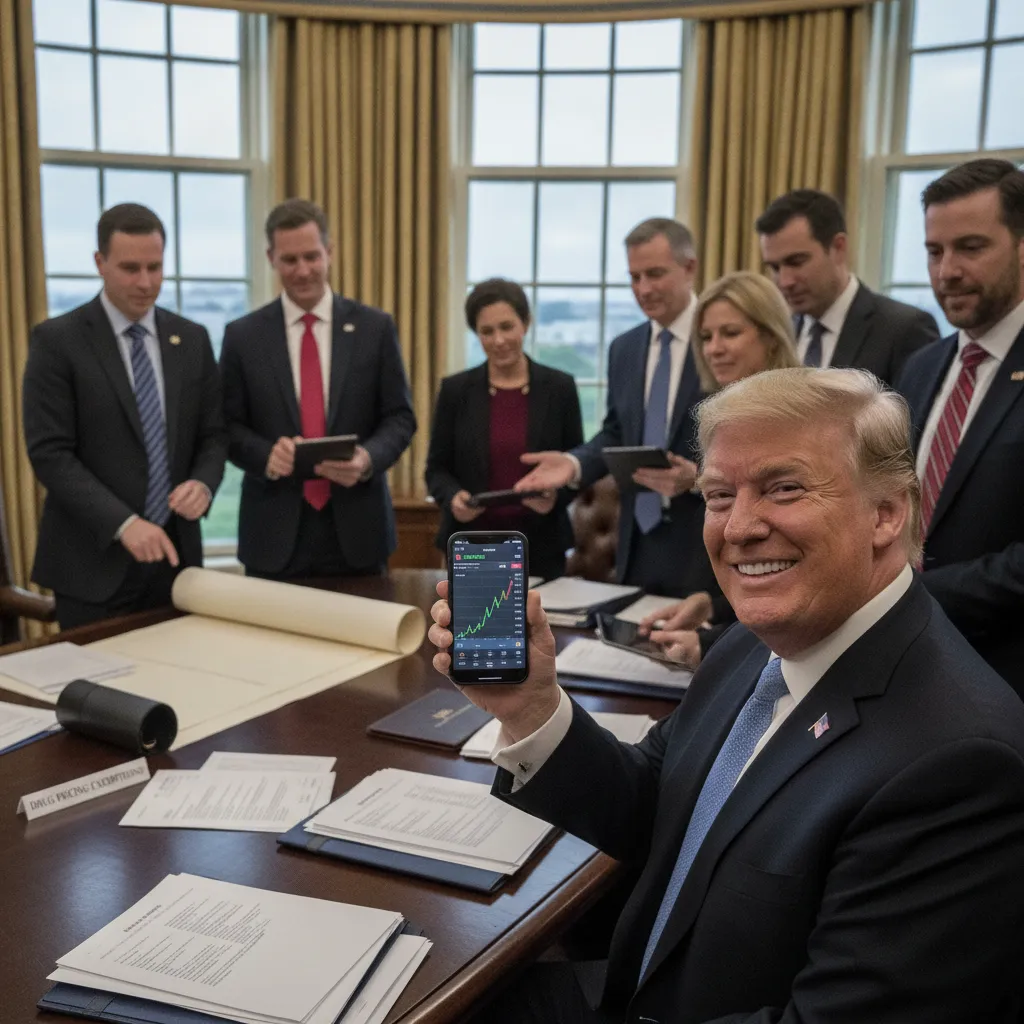
Congressional Democrats are raising alarms over a massive spike in President Donald Trump’s pharmaceutical investments following his return to the White House. According to a report from the Joint Economic Committee’s minority arm, Trump’s holdings in drug companies skyrocketed from about 1.7 million dollars in early 2024 to as much as 56.2 million dollars by the end of 2025. Much of this growth is linked to firms that benefited from a Republican-led tax and spending law that shielded specific medications from Medicare price negotiations.
The timing of these trades has become a focal point for critics, who point out that millions of dollars in pharma shares were purchased just days before the legislation was signed into law in July 2025. Specifically, nearly a million dollars in stock was acquired on the very day the Senate passed the bill. This legislative carveout, known as the orphan drug exclusion, allows manufacturers of certain high-cost treatments to maintain higher prices, potentially costing Medicare beneficiaries thousands of extra dollars for critical cancer medications produced by companies already present in Trump’s portfolio.
In response to these allegations, the White House has dismissed the claims as politically motivated attempts to manufacture conflicts of interest. Spokesperson Davis Ingle stated that the president’s assets are handled by independent third-party financial institutions and that neither Trump nor his family influences individual buy or sell decisions. While previous presidents typically utilized blind trusts or diversified funds to avoid such optics, Trump has maintained a different structure involving a trust managed by his sons.
Senator Maggie Hassan described the findings as outrageous, arguing that ordinary Americans are essentially footing the bill for presidential gain. These revelations arrive amid a complex political landscape where Trump continues to claim credit for lowering drug costs while public opinion polls suggest many voters believe he is prioritizing personal wealth over public service. As the debate persists, health experts warn that avoiding price negotiations may stifle affordability for those relying on life saving therapies.