The true price of nature’s fury is becoming clear as Hawaii grapples with an estimated billion dollars in recovery needs following four major disasters this year. While official tallies account for public infrastructure, the damage to private homes and businesses likely reaches into the billions more, leaving many residents vulnerable. To combat this cycle of destruction, state leaders are shifting their focus from mere cleanup to proactive resilience, emphasizing that waiting for a catastrophe to happen is no longer a viable strategy.
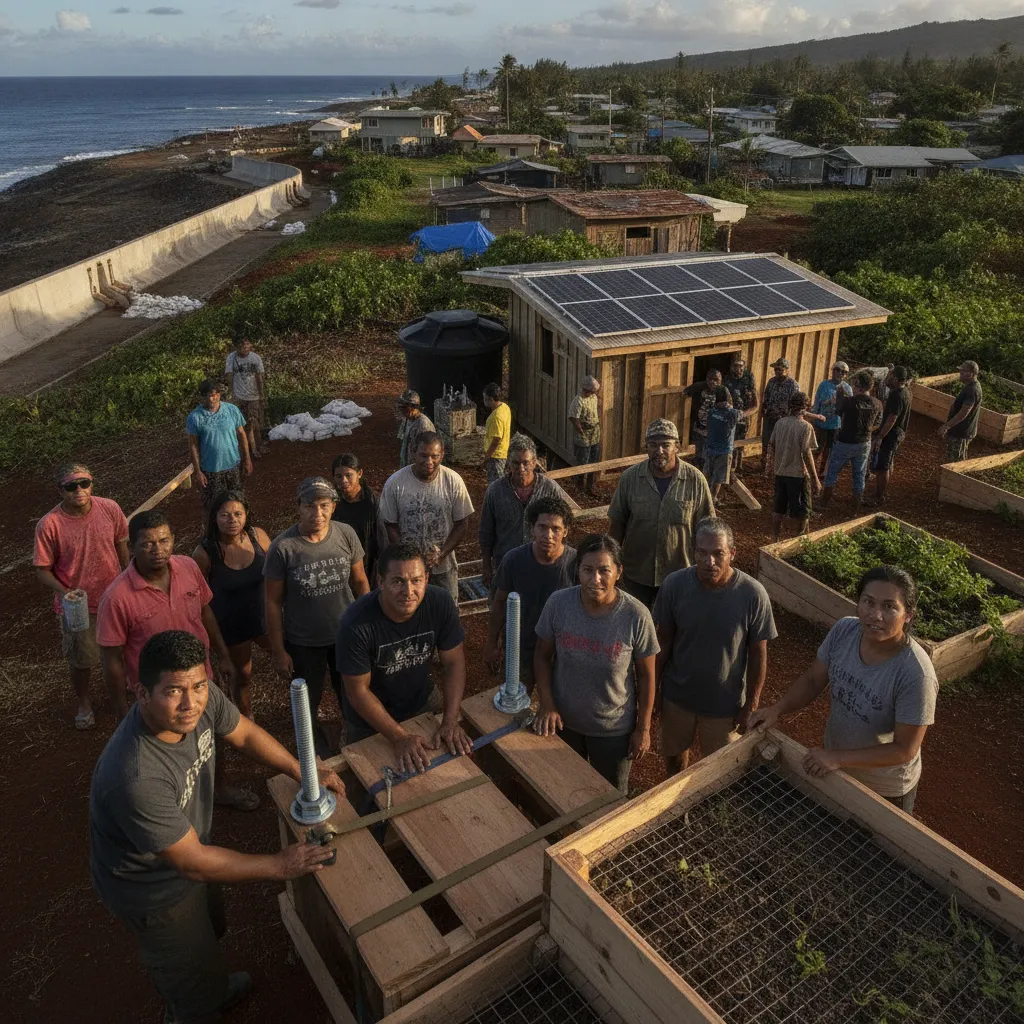
Governor Josh Green has already stepped forward with twenty million dollars dedicated to the creation of community resilience hubs. These specialized spaces are designed to function as independent lifelines, providing emergency power and mutual aid when larger grids fail. State Representative Della Au Belatti is championing these initiatives alongside legislation like Act 146, which targets care home facilities in Central and Leeward Oahu for structural upgrades. According to Belatti, the objective is to ensure that functional systems are already embedded within neighborhoods long before they are tested by a crisis.
However, some community advocates argue that current investments must go even further to truly protect the public. Kioni Dudley, a neighborhood board leader from Makakilo-Kapolei-Honokai Hale, suggests that the state should prioritize higher-category storm shelters and offer tax incentives to help homeowners fortify their own properties against extreme weather. By lowering the financial barrier to construction and reinforcement, proponents believe thousands of residents could be saved from displacement during future events.
This systemic shift toward preparedness is being supported by a network of grassroots organizations across the islands. From groups like Vibrant Hawaii directing millions in grants to local partners on Hawaii Island, to programs such as Hawaii Kai Strong focusing on tsunami readiness on Oahu, there is a growing movement toward decentralized defense. Combined with advocacy from groups like AARP Hawaii for elderly populations, these efforts aim to turn isolated neighborhoods into interconnected webs of support capable of weathering any storm together.