








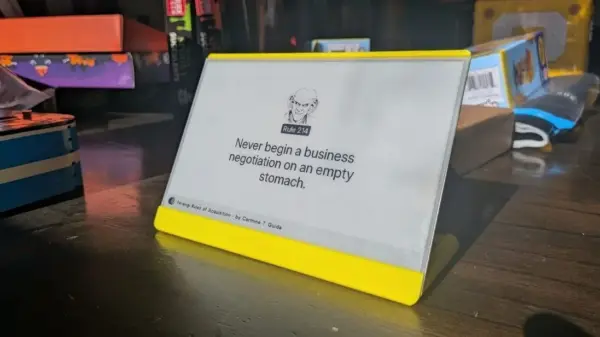







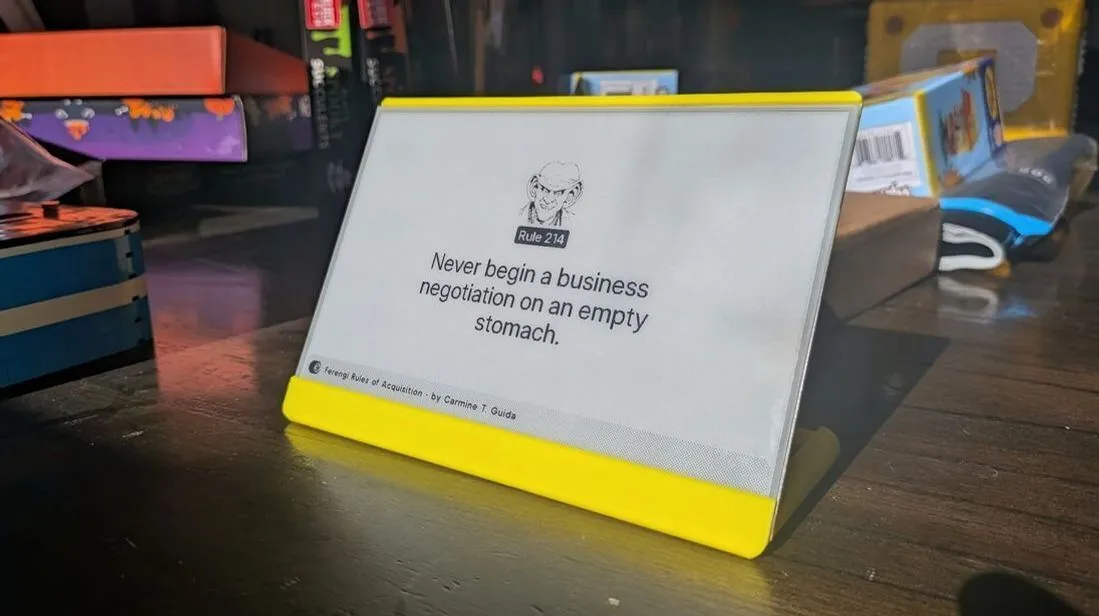
For those tired of screens that demand constant attention with notifications and flashing lights, a new DIY project is offering a breath of fresh air. Developed through a partnership between hardware veterans Seeed Studio and the startup TRMNL, a modest forty eight dollar e-paper kit allows users to create a completely passive information hub. Unlike high priced smart home displays that try to act as central command centers for the entire family, this device is designed to sit quietly on a kitchen counter or office desk, cycling through curated data like weather reports, calendars, and news without requiring any active interaction.
The beauty of the system lies in its flexibility regarding software. While many modern gadgets lock users into restrictive ecosystems or monthly subscriptions, this kit caters to different levels of technical comfort. Beginners can opt for the TRMNL cloud service via a small one time licensing fee after a trial period. Those who prefer more autonomy can integrate the device with Home Assistant or use Seeed’s own SenseCraft platform. For the truly adventurous, an open source option called Terminus allows enthusiasts to host their own private server, ensuring total ownership over their data and privacy.
Building the device is where the true DIY spirit comes into play. The kit arrives as a collection of components that must be assembled and housed in a custom case, typically created via 3D printing. While the core electronic setup is straightforward involving basic connections and a Wi-Fi handshake, fitting the internals into a printed shell requires some patience. Users might find themselves wrestling with fragile ribbon cables or using needle nose pliers to clean up plastic supports, turning the process into as much of a hobby project as it is a utility upgrade.
Despite these minor assembly hurdles, the result is an elegant piece of low power technology that solves common frustrations associated with cheap tablets or bloated smart hubs. Because it uses e-paper technology, the screen remains visible regardless of lighting conditions and consumes minimal energy. It transforms from a mere gadget into a personalized digital canvas that delivers only what you want to see, proving that sometimes the most useful tech is the kind that knows when to step back and just be helpful in silence.