






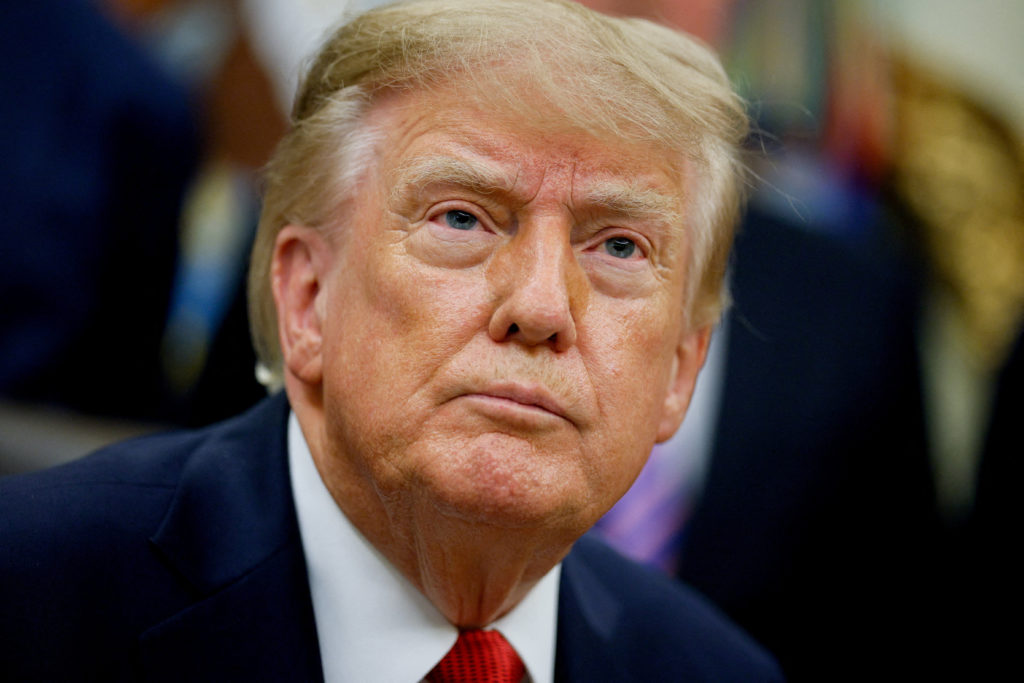
President Donald Trump announced on Friday that he is banning CNN, MSNOW, and Politico from the White House, citing what he described as a pattern of fake news and unfavorable coverage. In a post shared on his own social media platform, the president stated that the restrictions were effective immediately and warned that additional media outlets could face similar prohibitions in the future. He argued that news organizations should not be permitted to report fiction and lies when covering the presidency or the United States government.
This latest directive marks another escalation in the president’s ongoing conflict with the press and presents a significant challenge to First Amendment protections regarding freedom of information. By targeting CNN specifically, the administration threatens to disrupt the traditional five network television pool that typically accompanies the president to ensure independent coverage for the public. While Trump did not specify exactly how these bans would be enforced logistically, the timing coincided with an Oval Office healthcare event where he continued his trend of confrontational interactions with members of the press.
The move follows a series of previous clashes between the administration and various global news agencies. Earlier in 2025, Trump restricted Associated Press journalists from entering several high profile venues after a dispute over naming conventions in the Gulf of Mexico, leading to an ongoing lawsuit. Additionally, his current term has seen multiple legal actions aimed at legacy institutions like The New York Times, The Wall Street Journal, and the BBC, reflecting a broader strategy of using litigation and administrative barriers to sideline critical reporting.
As these bans take effect, critics argue that restricting access to official briefings undermines democratic transparency. Following his announcement, Trump proceeded with plans to bring a limited group of reporters to his Virginia golf club for a Super PAC dinner before departing for Camp David for the weekend. Because Camp David remains one of the few locations where reporters do not routinely follow him, many observers see it as a convenient retreat during this period of heightened tension with the Fourth Estate.