
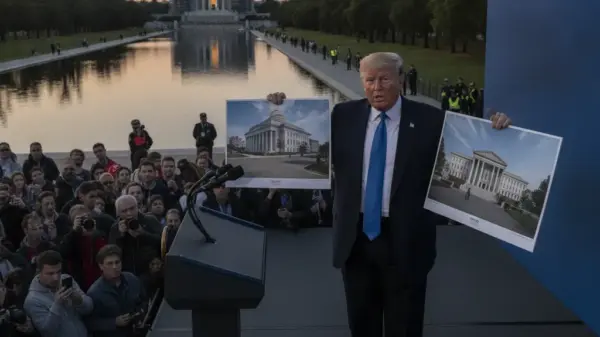
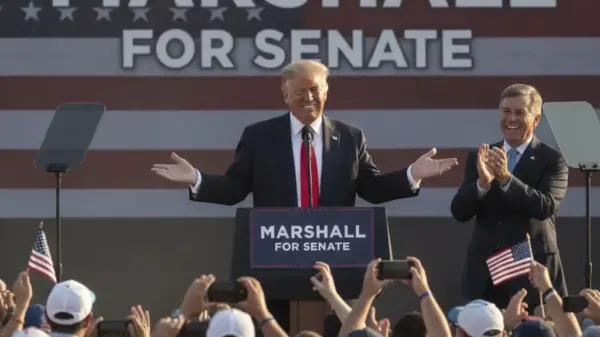











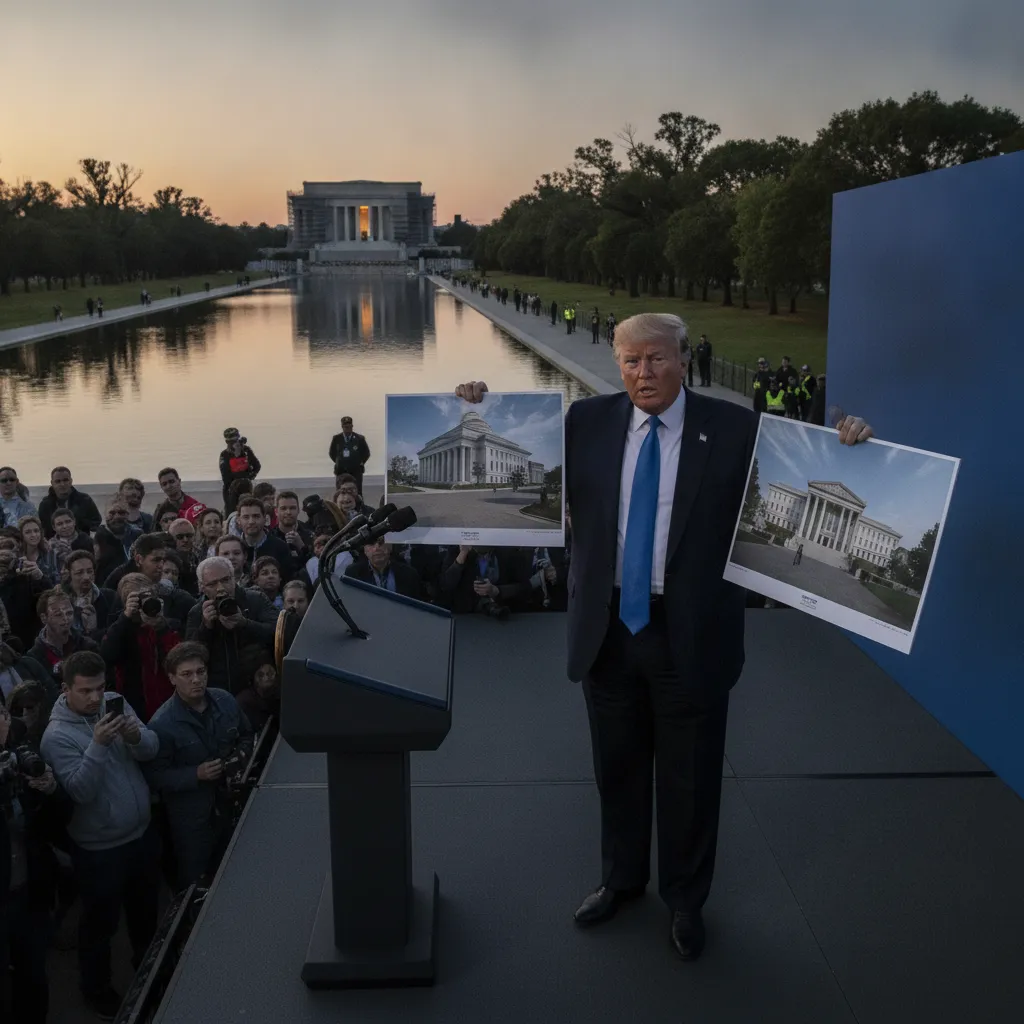
In a surprising turn for a campaign closing speech, President Donald Trump spent more than twenty minutes of his final address before the midterm elections focusing on architectural updates rather than political strategy. Speaking from the Reflecting Pool, the president held up photographs and went into extensive detail about renovations performed throughout Washington DC, shifting the tone of his message toward public works just as voters prepared to head to the polls. The unusual focus came at a time when his party is facing a challenging electoral landscape, with some forecasting agencies suggesting Republicans may struggle to maintain their House majority.
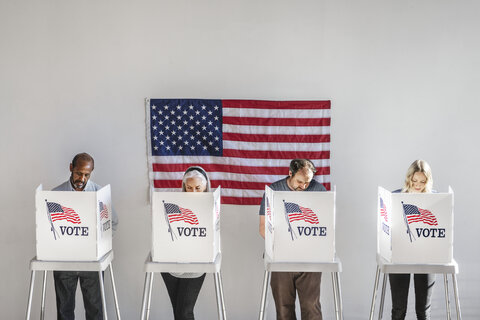
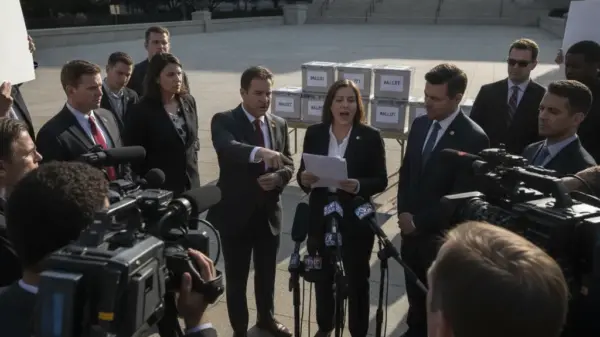
The preoccupation with city beautification stood in stark contrast to several high stakes legal and geopolitical battles currently surrounding the administration. Just hours earlier, federal courts had dealt another blow to the White House by rejecting attempts to force California to set aside thousands of ballots suspected of being cast by noncitizens. While Attorney General Todd Blanche continued to warn that violators would be prosecuted, judges have repeatedly found the administration’s lists of ineligible voters to be deeply flawed and its demands unconstitutional.
Beyond domestic disputes, the president used his remaining time to signal a potential shift in foreign policy regarding Iran. Amid plummeting approval ratings driven by skyrocketing gas prices and an unpopular war, Trump suggested via Truth Social that a settlement could happen soon. This optimistic outlook was echoed by Vice President JD Vance, who noted that progress had been made in talks despite the unpredictable nature of Iranian leadership.
As Election Day looms, Democratic hopes are rising according to recent polling showing them leading in five key battleground states. Meanwhile, internal GOP tensions are surfacing in places like Michigan, where Representative Haley Stevens faces private backlash from her own caucus after endorsing a Republican Senate candidate. With spending escalating across various districts and turnout remains uncertain, the administration seems to be balancing aggressive warnings of vetoes with unexpected pivots toward diplomacy and urban renovation projects.