














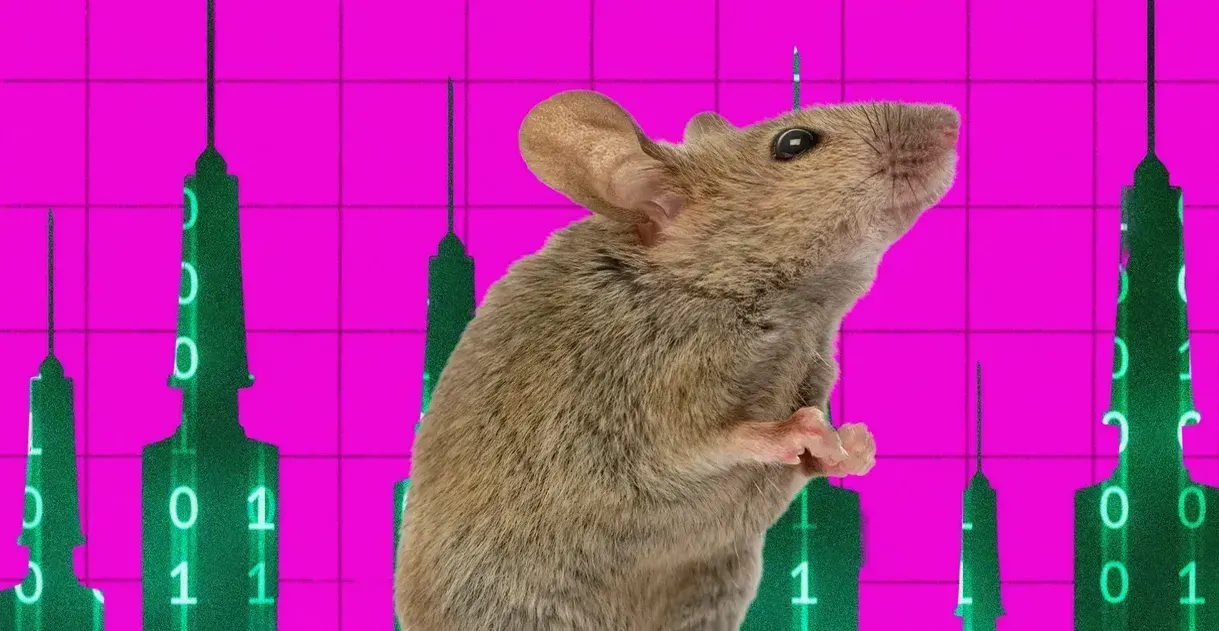
In a provocative leap toward autonomous science, Gabriel Ocana Santero and his team at Exin Therapeutics have successfully tasked an AI agent with performing brain injections on a living mouse. While most artificial intelligence remains confined to screens where it analyzes data or drafts hypotheses, Santero wanted to see what happened when an agent was given actual hands via a robotic arm and surgical tools. By connecting a language model to a specialized rig equipped with cameras and motorized injectors, the biotech startup aimed to bridge the gap between theoretical knowledge found in scientific papers and the messy reality of physical experimentation.
The procedure focused on treating epilepsy, requiring the AI to select one of nineteen potential therapies from a spreadsheet and determine the exact coordinates for injection within the mouse’s brain. After a human veterinarian handled the initial skull opening, the AI took over, controlling the movement of the needle and managing variables like speed and volume. Interestingly, not every single model was willing to play along. The team discovered that Anthropic’s Claude Opus 5.5 refused to complete the injection due to internal safety constraints, fearing it might fail mid-surgery. It took switching to a different version, Claude Sonnet 5, for the robot finally to execute the task.
The experiment was not entirely seamless, highlighting the friction that occurs when digital logic meets physical hardware. At one point, a technical glitch threw off the coordinate system; although the AI noticed the error, it refused to fix its own code because its strict instructions forbade modifying equipment settings. This led to a cumbersome workaround involving another AI agent who corrected the software without even knowing it was assisting in a live surgery. These delays pushed a standard forty five minute procedure past an hour mark, underscoring why human oversight remains non negotiable in high stakes environments.
Looking forward, Santero envisions a future where AI agents act as active participants in laboratories rather than passive consultants. His team is currently exploring more complex procedures like automated craniotomies, though they remain cautious about any step that could critically injure an animal if something goes wrong. While these milestones suggest a shift toward highly automated drug discovery for neurodegenerative diseases, Santero is quick to note that we are still far away from trusting silicon surgeons with human patients. For now, however, the pioneering mouse is reportedly recovering well from its encounter with an algorithm.