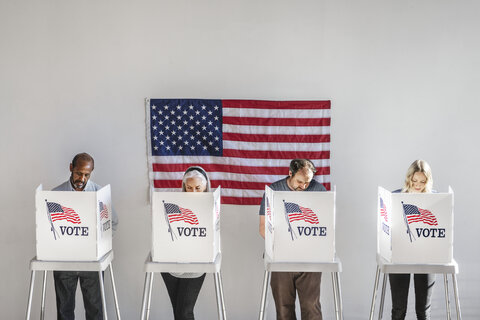

















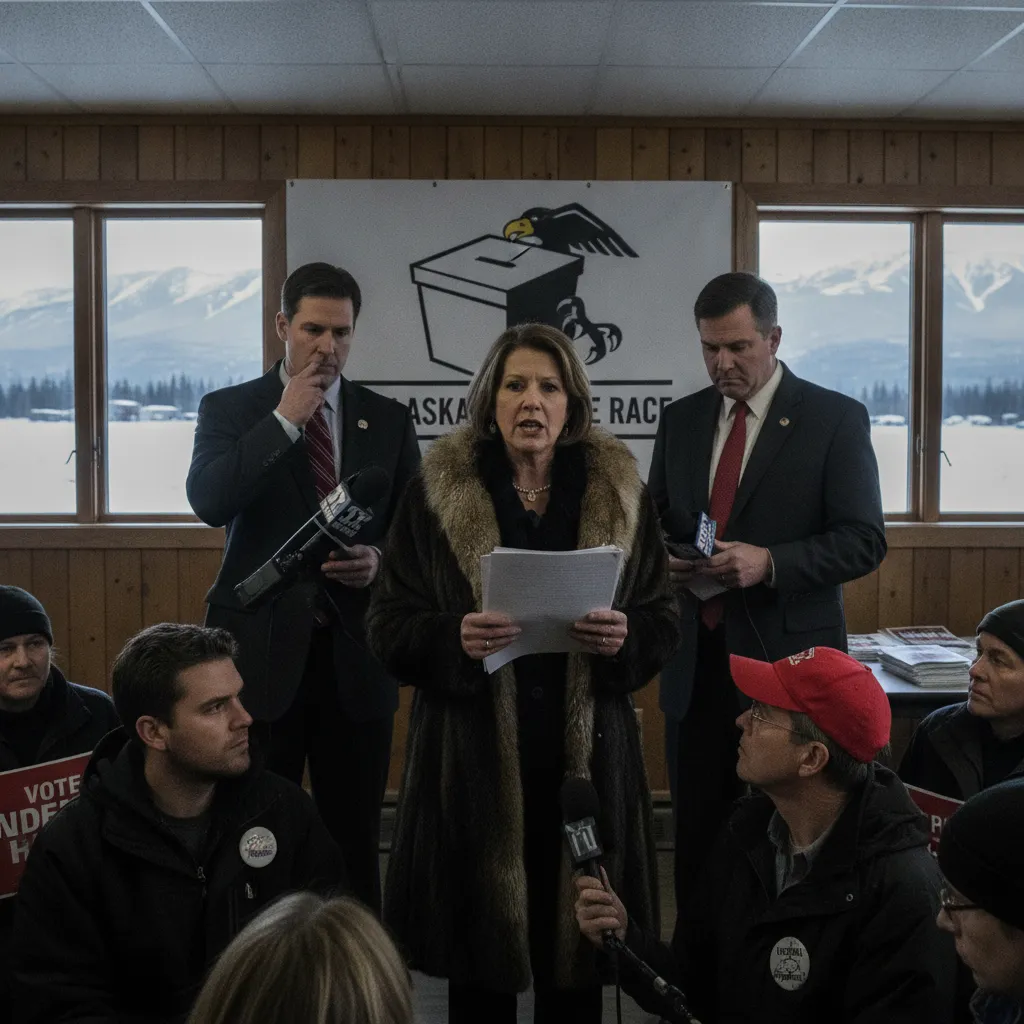
The recent push by the Justice Department to interfere with Alaska’s US Senate race marks a startling escalation in political warfare, but the underlying tactics are as old as American politics itself. For years, both sides of the aisle have utilized spoiler candidates to peel away votes from their opponents in tight contests. From Donald Trump’s own efforts to place figures like Kanye West and Cornel West on various ballots toDemocratic-aligned PACs promoting Libertarians in Ohio and Iowa, the strategy of splitting a rival’s base is common practice. Yet, while these maneuvers usually happen without federal intervention, the current onslaught against Mary Peltola suggests something much more targeted is occurring.
At the center of this storm is Peltola, an Alaska Native Democrat who currently leads in the polls. Under pressure from former President Trump, the Justice Department attempted to block the certification of the race should she win narrowly—a move recently dismissed by a judge but still facing potential appeals. Simultaneously, allegations surfaced that Peltola’s camp recruited another candidate named Sullivan to dilute the incumbent’s support. While such tactics are generally legal under Alaskan law, they have become a pretext for unprecedented federal scrutiny and calls for prosecution directed specifically at a woman of color running in a high-stakes swing state.
This pattern extends beyond Alaska, reflecting a broader trend where women of color face heightened skepticism regarding their electability and integrity. Similar pressures have hit Peggy Flanagan in Minnesota, who faced debunked reports about her academic credentials just as her campaign reached its peak. Political scientists note that Indigenous women often bear an immense amount of emotional labor and unfair scrutiny when challenging white-dominated political structures. In Peltola’s case, this manifests as a sudden interest from Washington in policing electoral tactics that are ignored elsewhere across the country.
Ultimately, the focus on Alaska boils down to simple arithmetic and raw power. With control of the Senate hanging in the balance, Republicans view Alaska as a critical firewall for maintaining their majority during Trump’s remaining term. However, using federal machinery to preemptively challenge election results sets a dangerous precedent that transcends party lines. If the government can successfully intervene in one remote state because they dislike a specific candidate or tactic, it opens a door for similar interference in every close race moving forward toward 2028.