
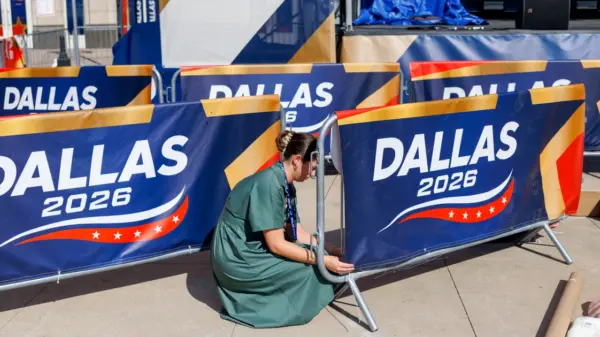






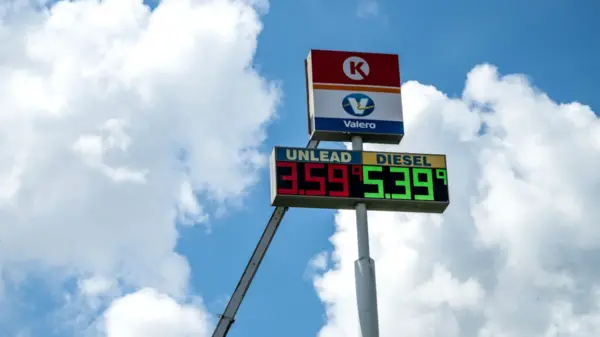




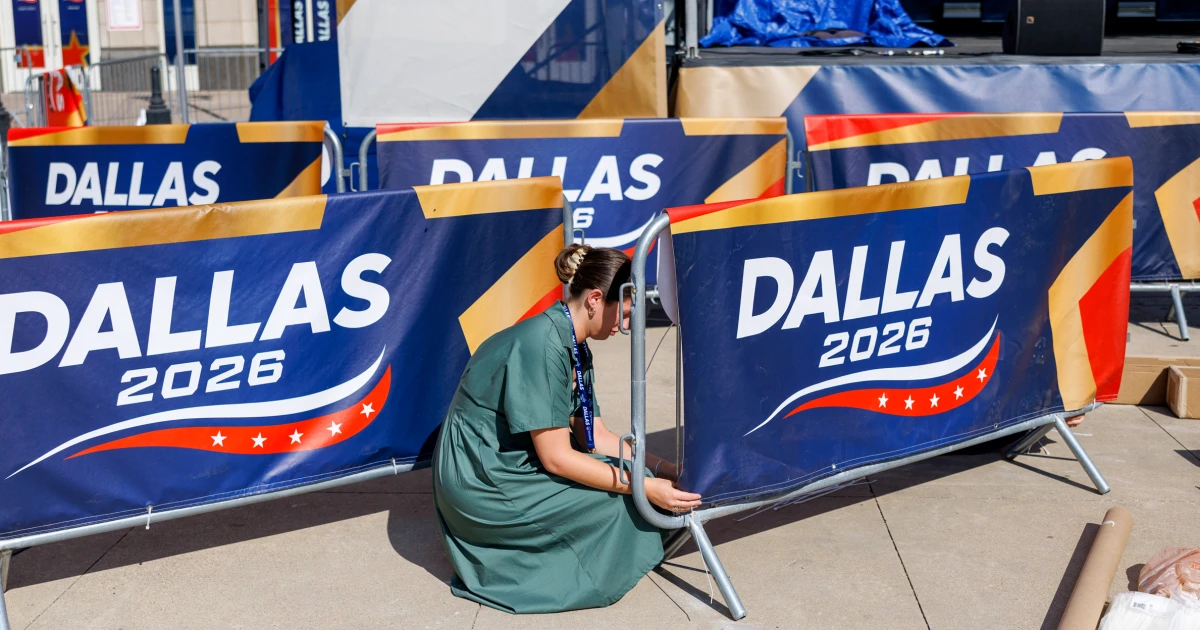
The first Republican midterm convention kicked off in Texas this week with Donald Trump set to deliver the keynote address tonight. Speaking to reporters on the tarmac at Joint Base Andrews before departing for Dallas, Trump focused heavily on economic promises and foreign policy, claiming that gasoline prices would tumble to below two dollars a gallon shortly after the elections. He linked current energy costs to the conflict with Iran, suggesting that the war itself would end immediately following the midterms because opposing forces are simply unable to hold out any longer.
While the convention aims to unify the party, attendance has become a point of contention. Trump dismissed reports that some lawmakers were skipping the event due to his approval ratings, insisting instead that space limitations played the primary role. He explained that there was simply no room for five hundred politicians and that those in safe seats were encouraged to stay home and campaign. However, internal counts suggest a divide among House Republicans, with more members opting out of the trip than choosing to attend.
Beyond politics and policy, Trump used his travel time to touch on legal matters and personal grievances. In a surprising turn, he stated he would consider pardoning his former fixer Michael Cohen, describing the treatment of his previous attorney as a disgrace. This comes after a recent radio interview where the two appeared to reconcile through themes of forgiveness, marking a sharp departure from years of public animosity and legal battles over hush money payments and congressional testimony.
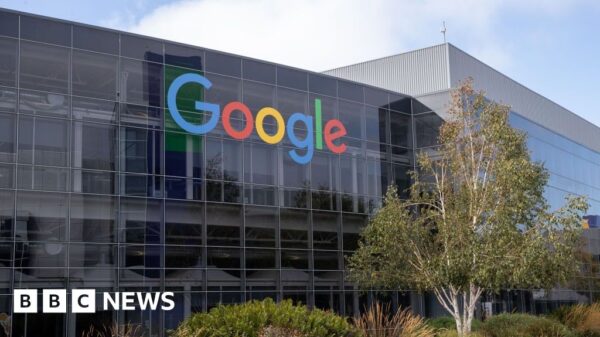
Meanwhile, outside the political bubble, cultural tensions continue to mount over Trump’s push for U.S centric renaming of geographic landmarks. The creators of South Park recently renamed their iconic series South America as a satirical jab at Apple and Google for complying with orders to rename Lake Ontario as Lake America. As these cultural clashes unfold, Democratic leaders in Texas are ramping up grassroots efforts to assist over one million voters currently on state suspense lists, fighting to ensure eligible citizens update their addresses before upcoming deadlines.