
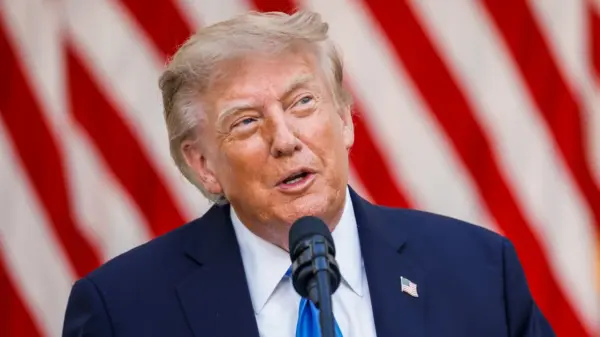







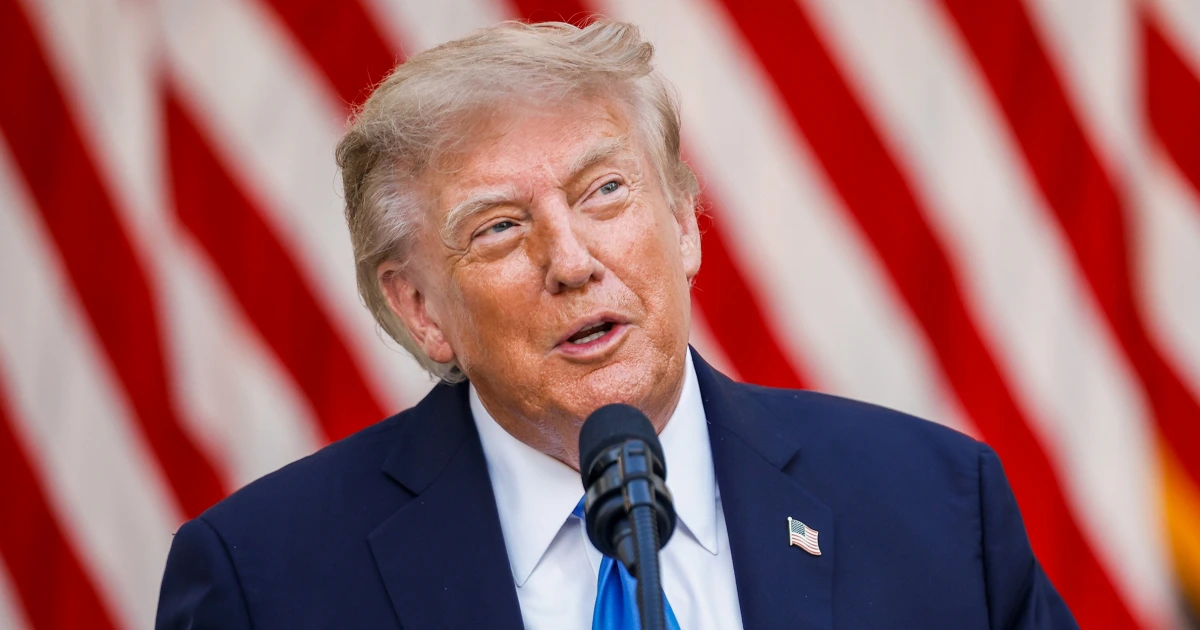
Donald Trump is preparing to return to the campaign trail this autumn, facing a challenging political landscape marked by dipping enthusiasm among Republican voters. As the former president looks to galvanize his base, his team is navigating a series of legal battles and administrative controversies that continue to dominate the headlines in Washington. From disputes over urban landscaping to high stakes lawsuits within the Justice Department, the atmosphere surrounding the upcoming push remains volatile.
Adding to the tension is a growing list of security concerns and legal dramas. Federal authorities recently arrested Benjamin Azariah Southworth, a former California podcaster, on charges that he used social media platforms like TikTok and Instagram to threaten the life of the president and incite violence against his supporters. Simultaneously, the FBI has launched an investigation into a massive cybersecurity breach at an ID verification firm. The leak reportedly exposed millions of driver’s licenses, including that of Defense Secretary Pete Hegseth, highlighting new vulnerabilities in how personal data is handled by third party services.
On the home front in D.C., Trump continues to push forward with ambitious and often polarizing infrastructure goals. A federal judge recently declined to block the removal of trees at the East Potomac Golf Links as part of a renovation project, despite warnings from preservationists who fear the loss of accessible green space. Meanwhile, Interior Secretary Doug Burgum announced that excavation will soon begin for a proposed triumphal arch near Arlington Cemetery. If completed, the 250 foot structure would be the tallest of its kind in the world, though critics worry it may interfere with flight paths at nearby Reagan National Airport.
Internal friction also persists within the federal bureaucracy, evidenced by a fresh lawsuit filed by former U.S. Pardon Attorney Liz Oyer. Oyer is seeking reinstatement after being replaced by a Trump loyalist, alleging she was unlawfully removed for refusing to restore actor Mel Gibson’s gun rights. Her case underscores a broader conflict between career civil servants and political appointees over whether partisan interests should influence nonpartisan roles. As these stories converge, Trump enters his fall campaign fighting not just for voter turnout, but against a backdrop of persistent institutional resistance.