



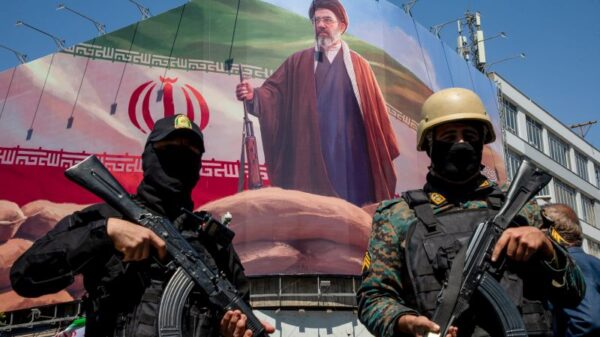
















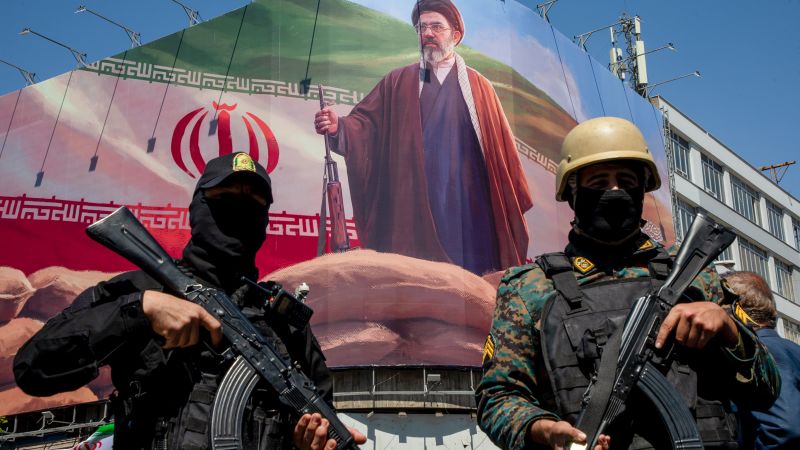
A prevailing sense of conventional wisdom has suggested that Iran emerged victorious from its recent conflict with the United States and Israel. On the surface, the logic seems sound. Despite weeks of heavy bombing and intense diplomatic demands, the Iranian government remains firmly in power, its missile capabilities persist, and it continues to threaten the vital shipping lanes of the Strait of Hormuz. For a while, it appeared the U.S. had run out of options after several cycles of ceasefires and broken agreements, leaving many analysts to conclude that Tehran had successfully called Washington’s bluff.
However, a closer look at the current strategic landscape suggests that this conclusion may have been premature. While Iran spent the early stages of the war trying to weaponize global energy prices to force a U.S. retreat, the tide shifted in mid July. By reimposing a strict military blockade on Iranian ports and aggressively clearing shipping lanes, the U.S. managed to stabilize energy markets while simultaneously choking off Iran’s own economic lifelines. With oil flows through the Strait recovering to two thirds of pre war levels, the leverage has shifted away from Tehran and toward Washington.
The internal reality for Iran is increasingly grim as these external pressures mount. The country is grappling with an economic contraction exceeding five percent and inflation nearing seventy percent, causing the value of its currency to plummet and basic goods to become unaffordable for millions. More than a million jobs vanished in just the first few months of fighting. While the Revolutionary Guard maintains a tight grip on power through repression, such control requires significant resources that are now disappearing due to a maritime quarantine unlike anything seen since 1979.
Tehran may attempt to escalate once again by targeting Gulf state infrastructure or utilizing Houthi proxies in the Red Sea, but these tactics have largely failed to break American resolve or sway regional allies into accepting Iranian extortion. Though Iranian officials insist they are immune to pressure and will never surrender their nuclear ambitions or regional influence, history shows that every regime has a breaking point. Whether President Trump can find that limit before his term ends remains an open question, but for now, Tehran is far from winning; it is instead finding itself caught in an tightening economic noose.