




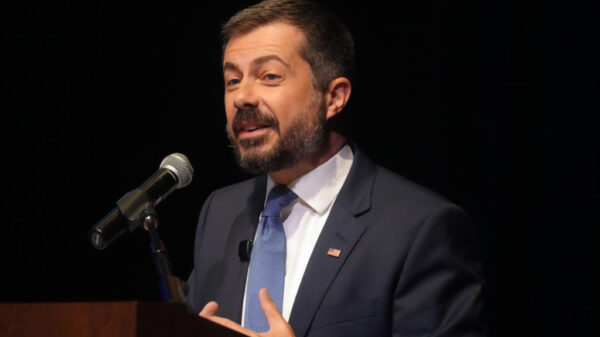











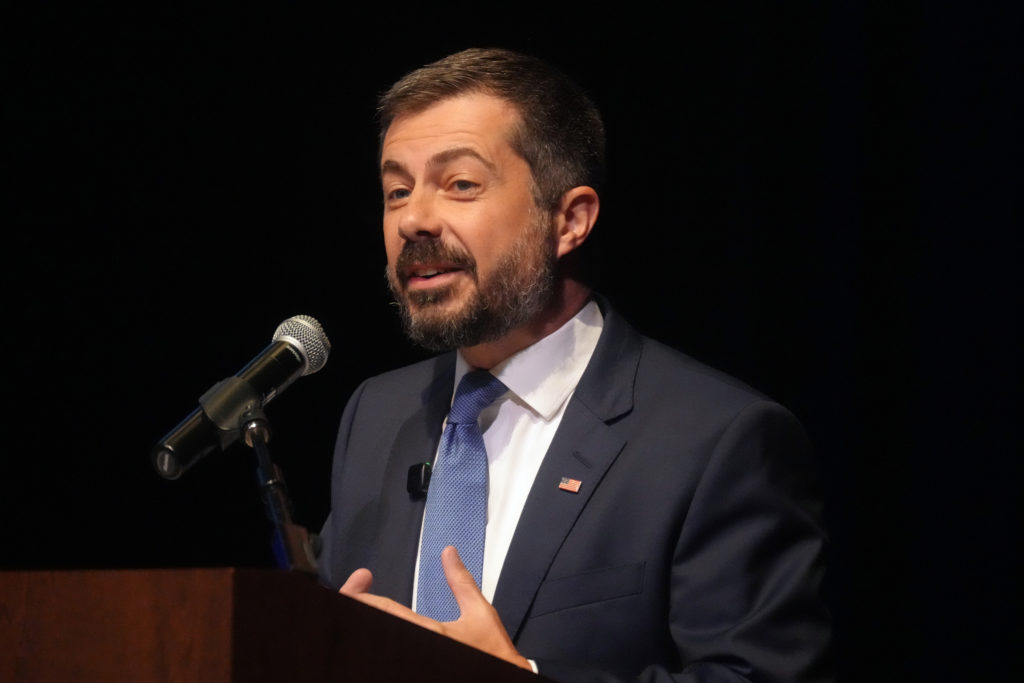
Pete Buttigieg returned to South Carolina this weekend with a clear mission: to rewrite the narrative of his previous failed attempt to capture the state’s imagination. During his 2020 presidential run, a disappointing fourth place finish in South Carolina effectively derailed his campaign and highlighted a struggle to connect with Black voters. This time around, however, the former transportation secretary found a warmer reception, receiving standing ovations in Orangeburg and spending hours engaging personally with local leaders and students at Claflin University.
Much of the newfound enthusiasm seems rooted in tangible results rather than just political rhetoric. In one particularly poignant moment, Buttigieg was cheered for securing millions in federal grants for local revitalization projects, including a significant investment in Orangeburg’s downtown area. By pivoting from the persona of an ambitious young mayor to that of an experienced cabinet member who delivered on promises, Buttigieg appeared determined to prove he has evolved into a leader capable of building broad coalitions within the Democratic party.
While Buttigieg insisted to reporters that he remains focused on 2026 and hasn’t made a final decision regarding another White House bid, his itinerary suggested otherwise. From fundraising events in Charleston to high profile speeches at NAACP dinners, the trip mirrored a traditional presidential rollout. He warned crowds that the country is currently in big trouble and argued that economic relief for families cannot happen without systemic political reform, attempting to bridge the gap between administrative success and visionary leadership.
The stakes for such visits have never been higher given that South Carolina is slated to be the first contest in the 2028 Democratic primary. State party leaders emphasize that winning Black voters is not just an advantage but a necessity for anyone hoping to secure the nomination. As Other heavyweights like Gavin Newsom and Cory Booker also begin making inroads into the state, Buttigieg is betting that his recent track record of governance will resonate more deeply with voters than his intellectual appeals did nearly a decade ago.