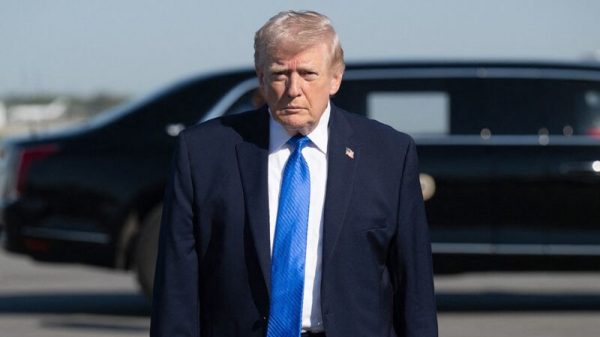


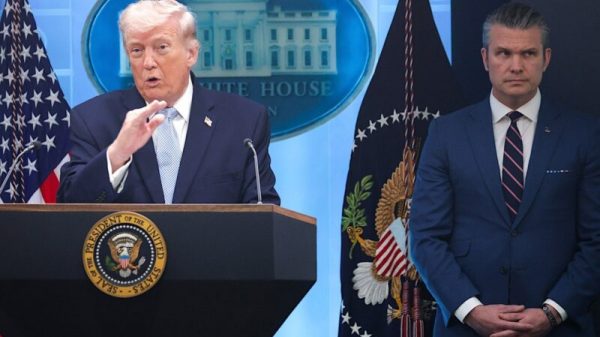


On April 1, the Supreme Court heard oral arguments about President Trump’s executive order excluding from birthright citizenship the US-born children of temporary visitors and of persons not lawfully present in the United States.
Cases involving Asian immigrants in the late 19th and early 20th centuries were prominent in the discussion because of laws that prevented them from entering the US and becoming citizens. Gabriel Chin, a professor of law at the University of California, Davis, was one of the experts interviewed in the New York Times about the cases.
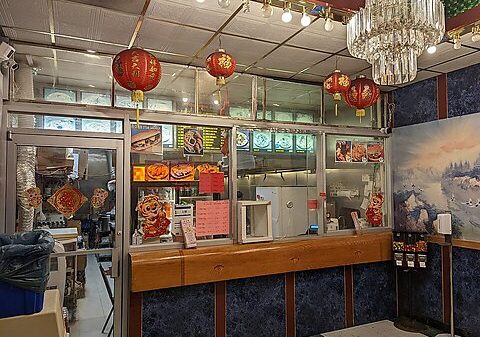
Several years ago, in Regulation, he wrote about the concerted efforts of labor unions and local officials to harass Chinese restaurants during the same time period.
A century ago, Chinese restaurants were deemed “a serious menace to society” for two reasons. First, the restaurants employed Chinese workers and successfully competed with other restaurants, which prompted white unionists to claim the Chinese restaurants denied “our own race a chance to live.” Second, Chinese restaurants supposedly were morally hazardous to white women; one observer noted that “beer and noodles in Chinese joints have caused the downfall of countless American girls.” Accordingly, many Americans recognized “the necessity for stamping out” the “iniquitous Chinese Chop Suey joints.”
You can read the article here. An audio version is also available.