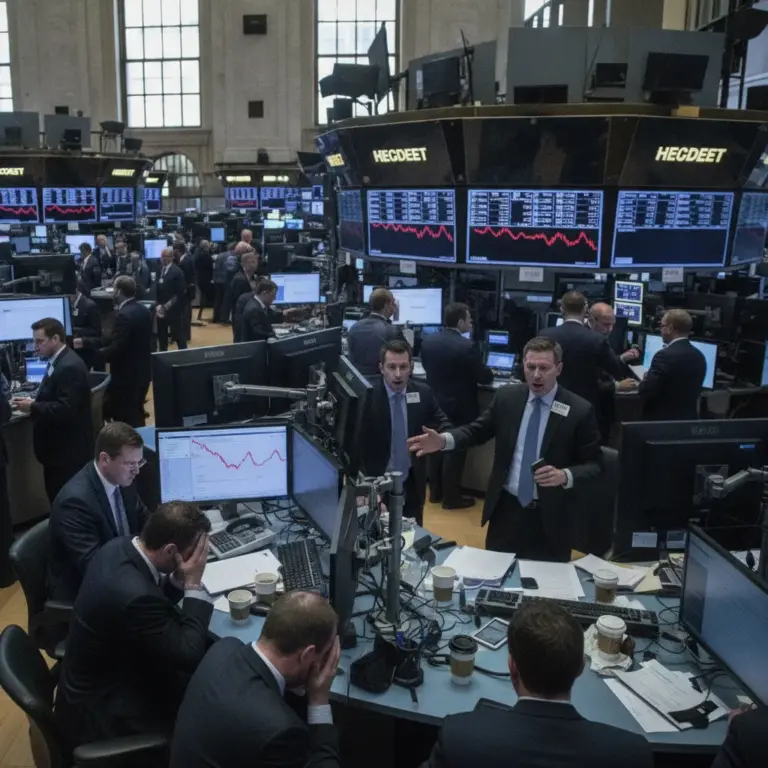
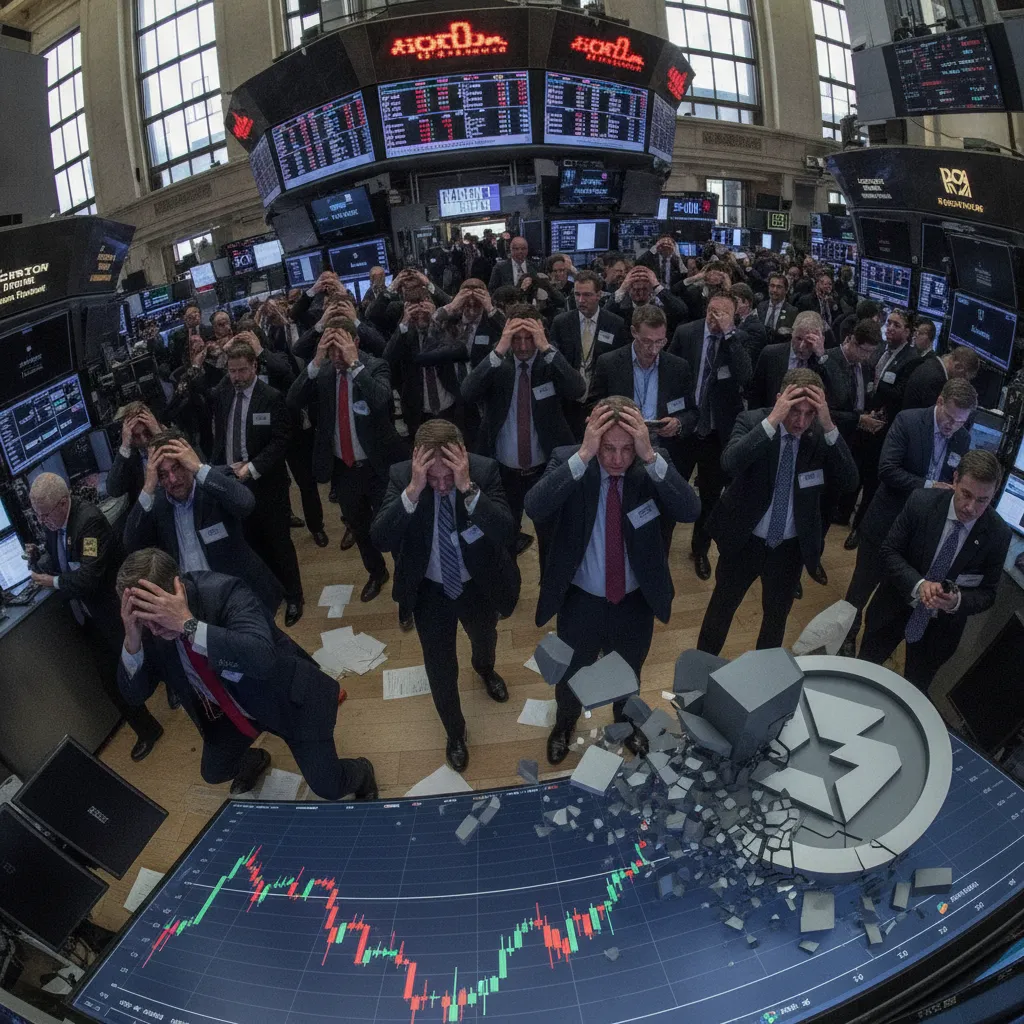
Wall Street suffered a bruising session on Friday as investors pivoted from enthusiasm to anxiety over the staggering costs of artificial intelligence. The tech-heavy Nasdaq bore the brunt of the damage, recording its sharpest single-day percentage drop since early June. This sudden retreat was triggered by lackluster quarterly reports from industry giants Intel and Amazon, which served as a catalyst for broader fears that the massive capital expenditures required to build AI infrastructure are not yet yielding sufficient returns. Chip stocks were particularly hard hit, pulling the Philadelphia SE Semiconductor Index into a monthly deficit.
The carnage extended across all major benchmarks, leaving the S&P 500 down 1.8 percent and the Dow Jones Industrial Average sliding over five hundred points. While some sectors managed to find shelter, such as oil majors Exxon Mobil and Chevron who capitalized on geopolitical instability in Europe and the Middle East, other consumer staples struggled. Starbucks saw its shares dip following warnings of a revenue decline tied to the sale of its Chinese operations. Despite these losses, overall corporate health remains mixed; more than eighty percent of S&P 500 companies have beaten earnings expectations so far this season.
Adding to the volatility was a wave of panic in the digital asset space following news of a historic security breach at Binance. Reports indicate that hackers stole approximately 6.3 billion dollars from the global exchange, an operation experts believe was orchestrated by TraderTraitor, an elite North Korean hacking unit known for funding state military programs. The breach reportedly began with a compromised engineer’s laptop but expanded through several other vulnerabilities. Because Binance lacks traditional cyber insurance, the company has pledged to reimburse customers using its own internal reserves after freezing about 3 billion dollars in assets.
As federal investigators from the FBI and UK regulators step in to assess the fallout from the heist, secondary players like Coinbase and Robinhood also felt the pressure and saw their stock prices tumble. For many traders, Friday represented a perfect storm where high-tech optimism collided with harsh fiscal realities and systemic insecurity in the crypto market. While October ended with modest gains for the Dow, both the S&P 500 and Nasdaq finished the month in negative territory, signaling a cautious shift in investor sentiment heading into November.