







As the next round of elections looms, a small but critical slice of the electorate finds themselves adrift, feeling alienated by both major political parties. For voters like James Morton, a retired truck driver from Colorado, the choice is not between two viable paths but between two sets of frustrations. While he views Democrats as having drifted too far toward socialism, he sees Republicans as globalists who have abandoned the working class. This sentiment is echoed by others across the country who feel that neither side truly grasps the daily struggles of ordinary citizens, leaving them to consider third party options or simply remaining undecided until the final hour.
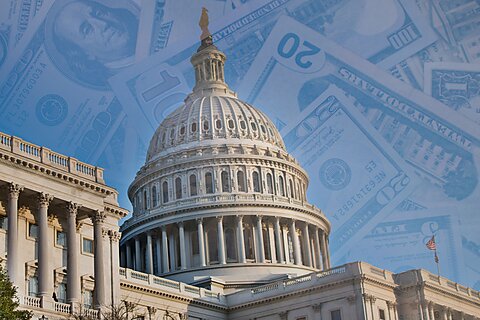
The primary driver behind this disillusionment is almost universally tied to the wallet. High costs of living and stubborn inflation have become the defining issues for these swing voters, outweighing concerns about government corruption or threats to democracy. Whether it is a retiree adjusting his grocery list to survive price hikes or a young security worker in Texas struggling to make ends meet, the demand is simple: bring prices down. With current polling showing a narrow gap between those favoring Democratic or Republican control of Congress, these pragmatic concerns over basic affordability could ultimately dictate the balance of power in Washington.
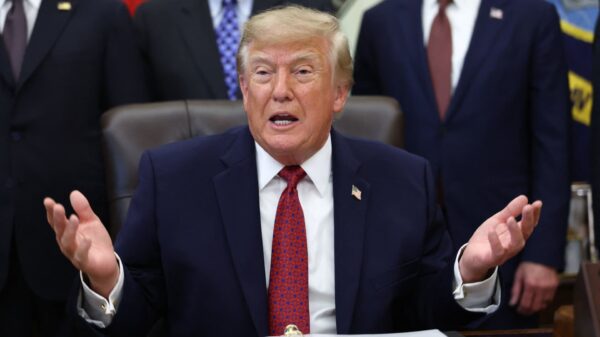
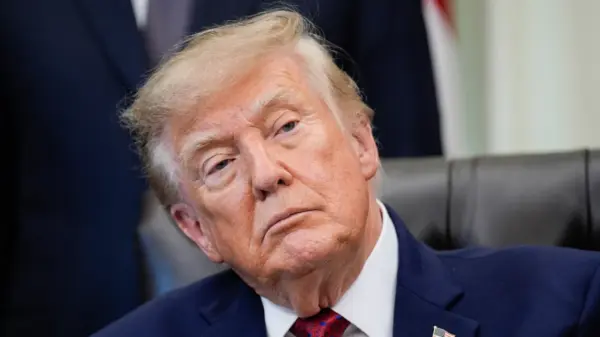
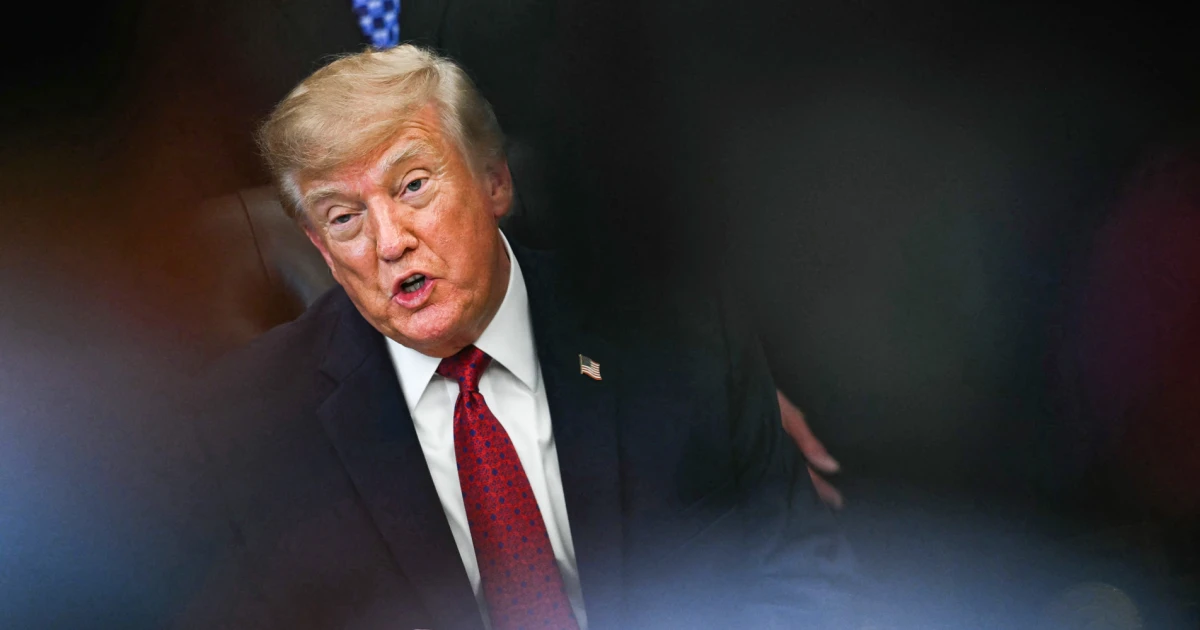
This voter frustration creates a precarious situation for President Donald Trump, who recently admitted he has done a poor job of explaining why he believes the economy is performing well. This rare admission highlights a widening chasm between the administration’s optimistic rhetoric and the lived experience of Americans feeling the squeeze of rising interest rates and tariffs. As Trump attempts to bridge this gap without alienating his base or appearing out of touch, he faces a daunting communication challenge. Ultimately, voters will have to decide if their financial hardship is merely a result of poor messaging from the White House or a fundamental failure of policy.