


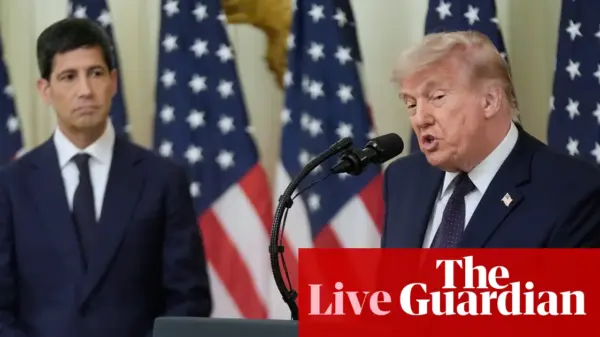








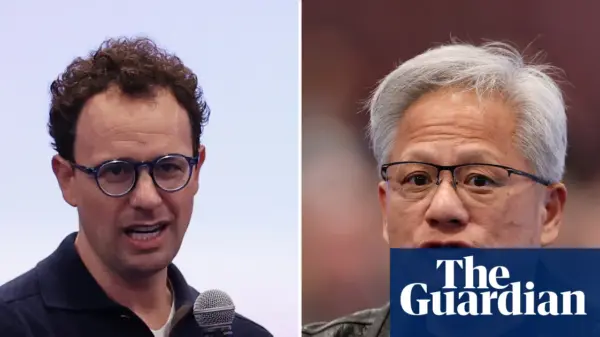
Donald Trump has long treated the world as a canvas for his personal brand, placing his name on everything from skyscrapers to steaks. However, his latest attempt to leave a mark on the nation’s capital has sparked a fierce legal and verbal war over the John F. Kennedy Center for the Performing Arts. The conflict reached a boiling point during a recent virtual board meeting where Trump reportedly engaged in a shouting match with Representative Joyce Beatty of Ohio, calling her incompetent and destructive while she countered that he was being unprofessional.
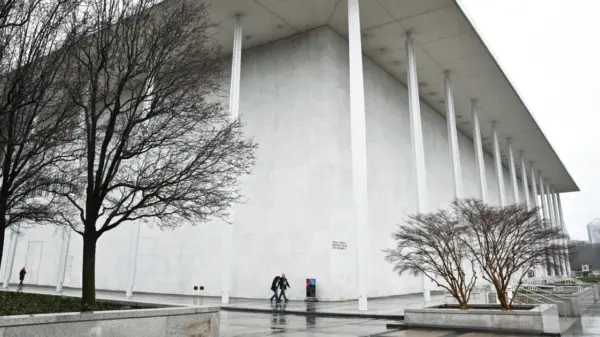
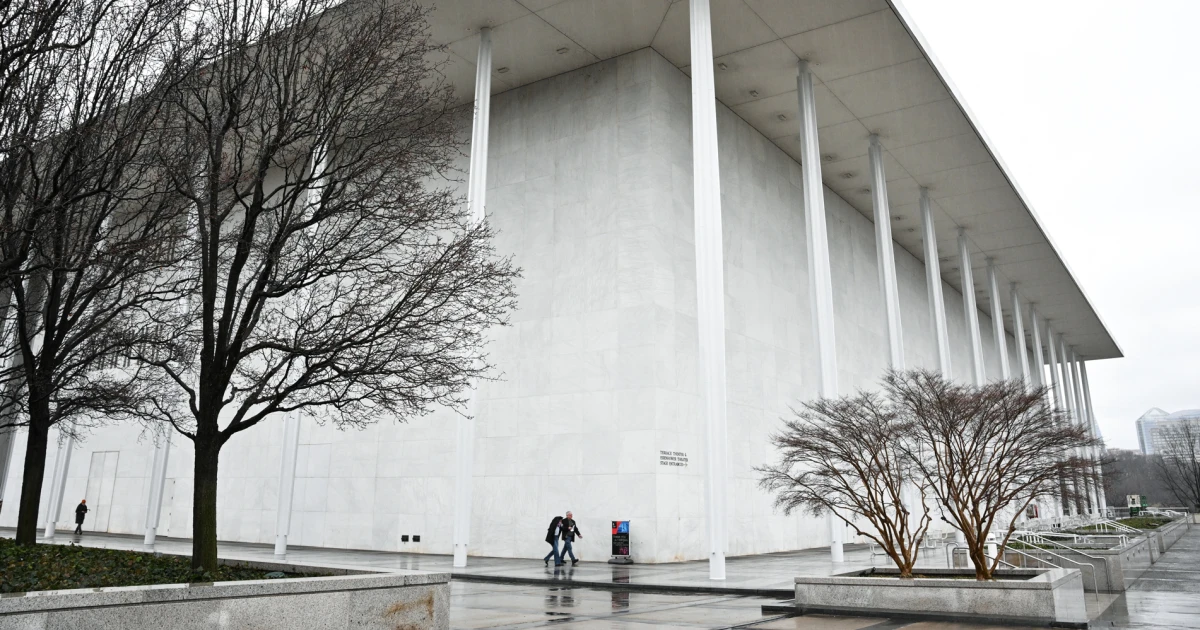
At the heart of the dispute is whether a president can unilaterally rename a facility established by an act of Congress as a memorial to a fallen leader. While Trump has successfully rebranded various government assets in the past, opponents argue that the Kennedy Center holds a status similar to the Lincoln or Jefferson memorials and requires legislative approval for any name change. For now, a federal court has blocked Trump’s bid to add his name to the marble facade, leaving the White House to cover existing signs with tarps while they pursue an appeal.
The stakes extend far beyond aesthetics, as the cultural vitality of one of Washington’s most prestigious institutions hangs in the balance. Trump has offered seventeen million dollars of his own money toward necessary renovations, but only on the condition that his name remains on the building. With those funds withheld and the board voting to close the center for repairs, beloved staples like the National Symphony Orchestra have been forced to find alternative venues across three states, while dance and jazz programs have been scrapped entirely.
While this branding battle rages at the Kennedy Center, internal fissures are also appearing within Trump’s own party on Capitol Hill. Recent votes regarding military action in Iran show an increasing number of Republicans breaking ranks to demand more congressional oversight. Several GOP representatives from swing districts have joined calls to limit open ended warfare, signaling growing anxiety among lawmakers facing tough reelection bids as public approval for the administration’s foreign policy continues to slide ahead of the midterms.