









The United States has officially removed Syria from its list of state sponsors of terrorism, ending a designation that had remained in place for nearly half a century. Secretary of State Marco Rubio announced the decision on Monday following the conclusion of a mandatory 45 day notification period for Congress. This shift marks a dramatic pivot in American foreign policy toward Damascus, effectively removing what officials describe as the final major barrier preventing private sector investment and broader economic recovery in the war torn nation.
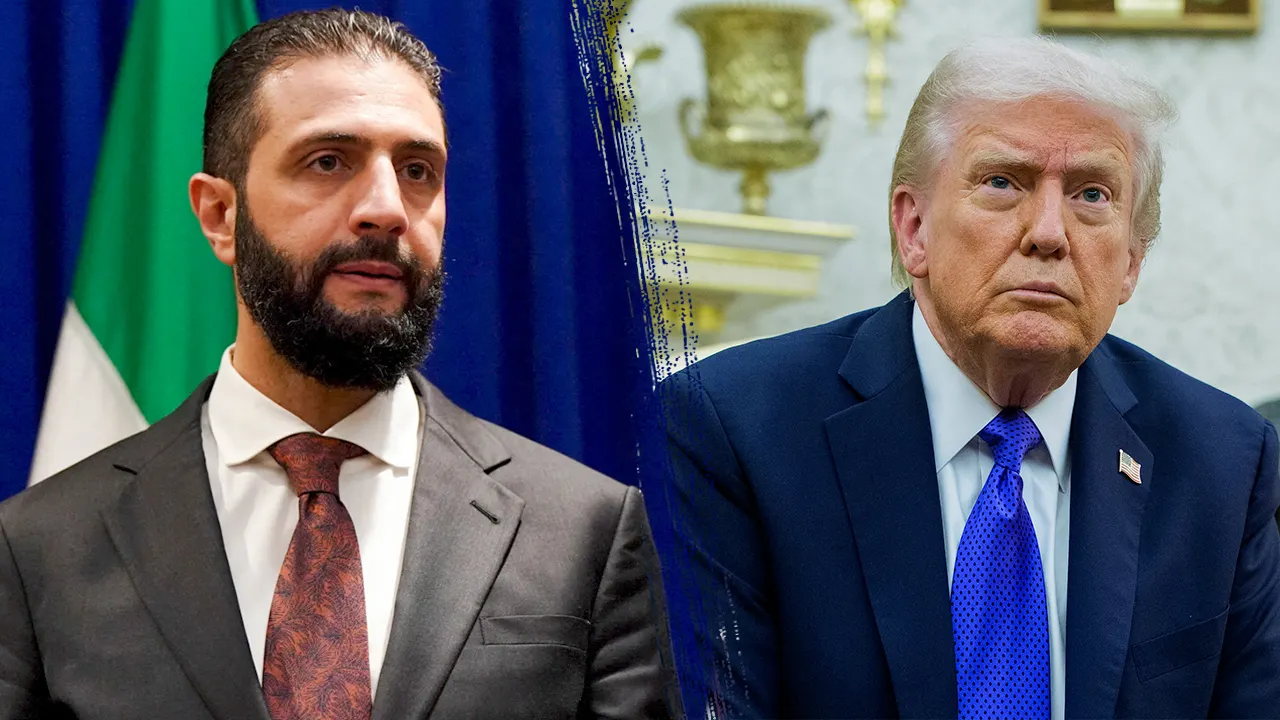
This diplomatic breakthrough follows the collapse of Bashar al Assad’s regime in late 2024 and the rise of President Ahmed al Sharaa. According to Rubio, the Trump administration decided to lift the restrictions after determining that the new Syrian government has ceased supporting international terrorism. To solidify this transition, Washington also delisted Hay’at Tahrir al Sham from its roster of specially designated global terrorists, citing Syria’s recent efforts to combat groups like ISIS and al Qaida and its formal entry into the Global Coalition to Defeat ISIS last November.
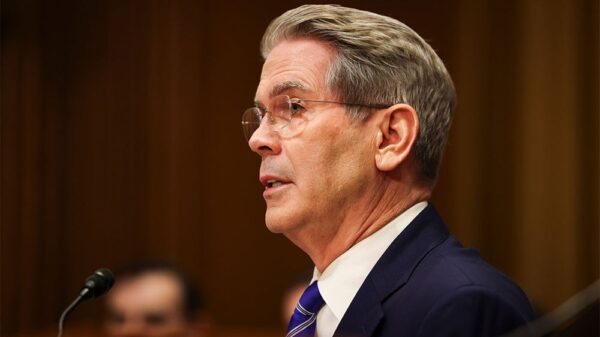
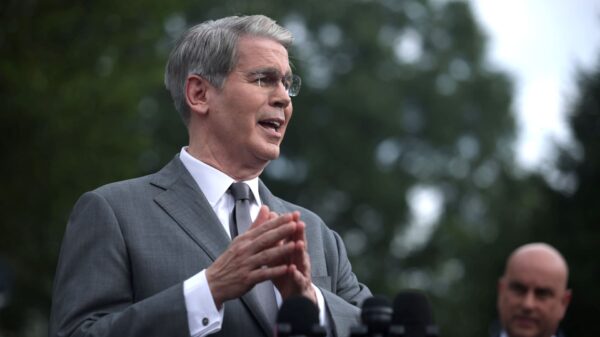
Treasury Secretary Scott Bessent noted that these moves align with President Trump’s commitment to providing sanctions relief to ensure political and economic stability. By terminating previous sanction programs and declaring an end to the national emergency regarding Syria, the U.S. aims to facilitate the country’s reintegration into the global financial system. For many in Syria, this means a potential influx of capital needed to rebuild infrastructure devastated by more than a decade of conflict.
Officials in Damascus welcomed the announcement as a return to normalcy on the world stage. Syrian Foreign Minister Asaad al Shibani indicated that there are no longer any meaningful obstacles hindering businesses from operating within the country or investors from returning. While Cuba, Iran, and North Korea remain on Washington’s blacklist, Syria’s removal signals a historic attempt by the current U.S. administration to pave a path toward long term prosperity for the Syrian people through open markets and diplomacy.