











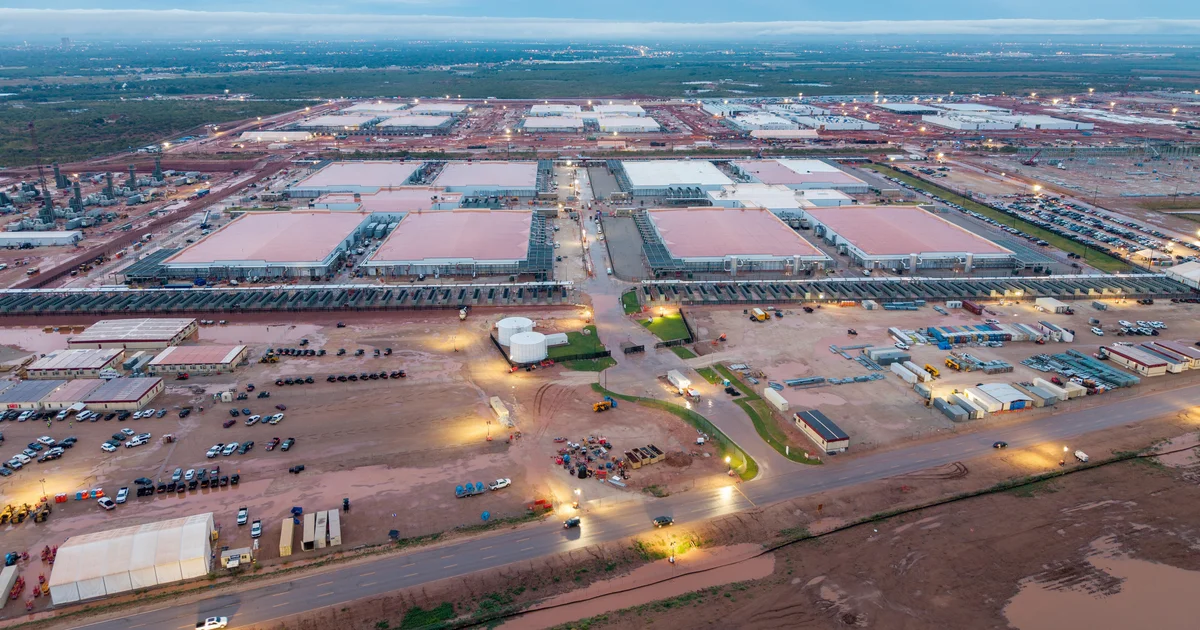
The rapid expansion of data centers has transformed from a technical infrastructure trend into a volatile political battleground just as Texas heads toward the November elections. Residents in both rural and suburban areas are increasingly alarmed by the arrival of massive facilities that threaten to drain local water supplies and strain the state’s fragile power grid, leading to fears of skyrocketing utility bills. This backlash has forced candidates for governor and U.S. Senate to scramble for positions on how to balance technological growth with community protection.
Democratic gubernatorial candidate Gina Hinojosa has emerged as a vocal critic of the current situation, arguing that these facilities have moved into neighborhoods without sufficient oversight. Hinojosa is calling for an immediate moratorium on new constructions and has pressed Governor Greg Abbott to convene a special legislative session to establish formal resident protections. Meanwhile, Democratic Senate hopeful James Talarico has proposed a Hold Data Centers Accountable Plan, which seeks to eliminate state sales tax incentives and mandate closed loop water systems to prevent environmental degradation.
Governor Greg Abbott has responded by implementing a temporary pause on new permits, insisting that any future projects undergo rigorous audits regarding their energy usage and impact on light and noise pollution. Speaking recently in Fort Worth, Abbott emphasized that his existing guardrails ensure these projects cannot compromise the resources necessary for everyday Texans or be situated within quiet rural residential zones. He maintains that agencies like ERCOT need more time to gather the data required before permanent legislation can be crafted.
On the Republican side of the Senate race, Ken Paxton has introduced his Texas First Data Center Plan, which aligns with some of Abbott’s goals while adding its own layers of regulation. While Paxton supports ending certain tax exemptions—incentives he ironically helped approve back in 2013—his platform focuses heavily on national security and safety. He intends to ban Chinese technology from powering these hubs and proposes making companies criminally liable if their AI chatbots undermine child safety. As billions in tax incentives loom over the coming years, both parties seem unusually aligned on one point: the era of unchecked data center growth in Texas is coming to an end.